In this guide
- The Hidden Winter Liability Trap: When Movers Refuse Icy Exterior Apartment Stairs
- Rock-Salt Brine Damage vs. Neoprene Floor Runner Protection
- Winter Off-Peak Labor Savings vs. DIY Rental Truck & Helper Costs
- Cold-Weather Tape Failure and Slush-Proof Moving Bags for Icy Stairs
- 5-Step Winter De-Icing & Stair Prep Checklist Before Your Crew Arrives
The Hidden Winter Liability Trap: When Movers Refuse Icy Exterior Apartment Stairs
Across Northern, Midwestern, and Northeast apartment markets, open exterior concrete staircases, wrought-iron fire escapes, and shaded breezeway landings ice over rapidly overnight whenever daytime meltwater refreezes below 32°F. Many renters assume apartment maintenance automatically clears and salts every stairwell before an 8:00 AM moving crew arrives—only to watch their movers pull up, step onto black ice, and stop the job before touching a single sofa.
Under standard US moving contracts and OSHA walking-working surface safety standards, moving crews hold full legal authority to refuse carrying 150-pound dressers or refrigerators down unshoveled, icy, or slush-glazed steps. Workers' compensation insurers explicitly penalize carriers for slip-and-fall claims on untreated ice, and your building's $1M–$2M Certificate of Insurance (COI) does not waive tenant or landlord premises duty of care.
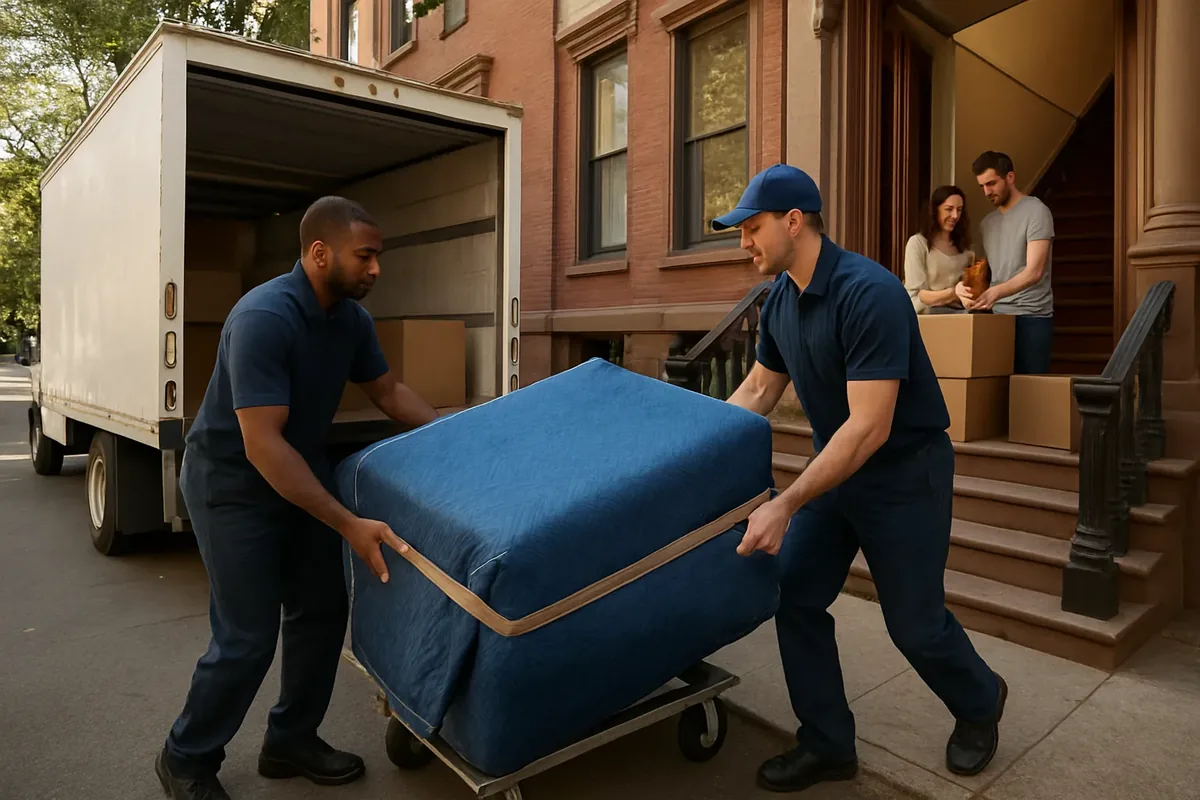
When a crew pauses at the curb waiting for maintenance to locate rock salt—or cancels outright due to unsafe stairs—you face either an extra 45 to 90 minutes on the hourly labor clock ($125–$295/hr depending on 2- to 4-mover crew size) or a same-day minimum cancellation/reschedule penalty of $150 to $350, plus potential lease overstay charges if you miss your noon key handoff.
| Apartment Size & Stair Access | Prepped Winter Move (Salted Steps + Runners) | Unprepped Ice / Slush (+Crew Delay or Salt Damage) | DIY Winter Rental Truck (Local 12 mi) |
|---|---|---|---|
| 1-Bedroom, 2nd Floor Walk-Up (1 Flight, 2 Movers) | $765–$1,450 (4–6 hrs + 1 hr travel + $55–$95 stairs + $55–$100 prep) | $1,040–$2,145 (+1 hr wait/reschedule + $150–$450 floor repair) | $195–$320 (15-ft truck + ice melt/runners + $95–$160 kit) |
| 2-Bedroom, 3rd Floor Walk-Up (2 Flights, 3 Movers) | $1,415–$2,615 (5–7.5 hrs + 1 hr travel + $110–$190 stairs + $65–$130 prep) | $1,790–$3,440 (+1.25–1.5 hrs + $250–$350 reschedule/floor claim) | $265–$430 (15–20 ft truck + prep kit + $145–$235 boxes/bags) |
| 3-Bedroom, 4th Floor Walk-Up (3 Flights, 4 Movers) | $2,175–$3,810 (6.5–9.5 hrs + 1 hr travel + $185–$340 stairs + $80–$145 prep) | $2,650–$4,780 (+1.75 hrs winter crawl + $300+ penalty/cleaning) | $345–$555 (20–26 ft truck + runners + $205–$330 packing kit) |
Rock-Salt Brine Damage vs. Neoprene Floor Runner Protection
Over-salting your exterior apartment stairs solves the outdoor slip hazard—but immediately creates an expensive indoor floor problem if movers track sharp calcium chloride pellets and gray salty slush across hardwood planks or hallway carpeting. Wet rock-salt crystals pressed underneath rubber hand-truck wheels grind micro-scratches into polyurethane wood finishes and leave chalky white brine rings across bedroom carpets.
Property managers routinely deduct $150 to $450 from move-out deposits for salt-etched hallway oak, water-swollen laminate seams, or muddy slush tracks requiring hot-water carpet extraction. Spending $30 to $85 on heavy-duty non-slip neoprene runners (or layering commercial carpet protection film beneath heavy Masonite panels in main entry corridors) eliminates floor cleanup claims at both your origin and destination apartments.
Amazon US Apartment Moving Supplies
Recommended Moving Boxes, Blankets & Bags for This Move
Apartment moving supplies matched to this guide (Amazon.com affiliate ID: apartmentmovingcost-20).
VENO Heavy-Duty Zippered Moving Bags with Backpack Straps (10-Pack Blue)
Water-resistant woven polypropylene oversized moving totes replacing cardboard for clothes and bedding
Scotch Heavy Duty Packaging Tape with Individual Red Dispensers (6-Pack)
Six 22.2-yard rolls each pre-loaded on a handheld fall-back-tab dispenser for multi-person packing
Gorilla Tough & Wide 2.83-Inch Heavy-Duty Moving & Packing Tape (2-Pack)
Extra-wide 2.83-inch crystal-clear 3.4-mil packing tape sealing entire box seams in one pass
As an Amazon Associate I earn from qualifying purchases. Always verify live stock and pack sizing directly on Amazon.com.
Winter Off-Peak Labor Savings vs. DIY Rental Truck & Helper Costs
Once your exterior stairs are cleanly de-iced and hallway runners are pinned flat, winter delivers real pricing leverage over peak summer leases. Local full-service crews stay near the lower end of benchmark hourly brackets ($125–$165/hr for studios, $130–$175/hr for 1-bedrooms, and $175–$235/hr for 2-bedrooms plus 1.0-hour travel and $75–$145 local transport), while DIY movers renting a 12–15 ft or 15–20 ft truck ($30–$55/day base + $1.09–$1.59/mi + fuel at $3.55/gallon at 10 mpg) can add 2-hour loading helpers ($170–$290) and DIY packing materials ($95–$235) for roughly $315 to $575 total—keeping heavy stair carries in experienced hands without full-day crew minimums.
Cold-Weather Tape Failure and Slush-Proof Moving Bags for Icy Stairs
Sub-freezing 20°F to 35°F temperatures expose two major weaknesses in standard packing gear: ordinary acrylic packing tape loses adhesive tack when applied in cold garages or unheated hallways, and corrugated cardboard bottoms instantly turn soggy when placed briefly on wet, salted stair landings. Upgrading to cold-tolerant high-tack tape and waterproof zippered totes protects contents on slick walk-ups:
- VENO Heavy-Duty Zippered Moving Bags with Backpack Straps (10-Pack Blue): Water-resistant 24-gallon woven polypropylene totes rated to 50 lbs each—their padded backpack straps let DIY movers keep both hands free on icy exterior stair handrails while sealing clothes and linens dry from snow splash.
- Scotch Heavy Duty Packaging Tape with Individual Red Dispensers (6-Pack): Six 22.2-yard rolls pre-mounted on fall-back-tab handheld dispensers using 3.0-mil heavy-duty adhesive, enabling multiple roommates to pack sealed indoor boxes at room temperature before freezing air weakens adhesive bonding.
- Gorilla Tough & Wide 2.83-Inch Heavy-Duty Moving & Packing Tape (2-Pack): Extra-wide 2.83-inch, 3.4-mil crystal-clear tape designed to lock heavy wardrobe and dish-box seams in a single wide pass with zero edge curl in chilly corridors.
5-Step Winter De-Icing & Stair Prep Checklist Before Your Crew Arrives
- Walk the Staircase & Parking Curb at Dusk the Night Before. Notify property management 48 hours ahead of your move window, then inspect your exact stair flight, handrail stability, and loading curb the night before to catch refreezing melt puddles.
- Shovel Down to Bare Concrete & Apply Concrete-Safe Ice Melt Early. Two hours before truck arrival, clear slush completely and broadcast magnesium chloride or CMA ice melt across steps, landing grates, and the 15-foot curb path leading to the truck ramp.
- Lay Non-Slip Neoprene Runners & Welcome Scraper Mats Inside the Door. Place a stiff bristled scraper mat right inside the exterior threshold, followed by non-slip neoprene runners extending from the entry door to the main staging hallway.
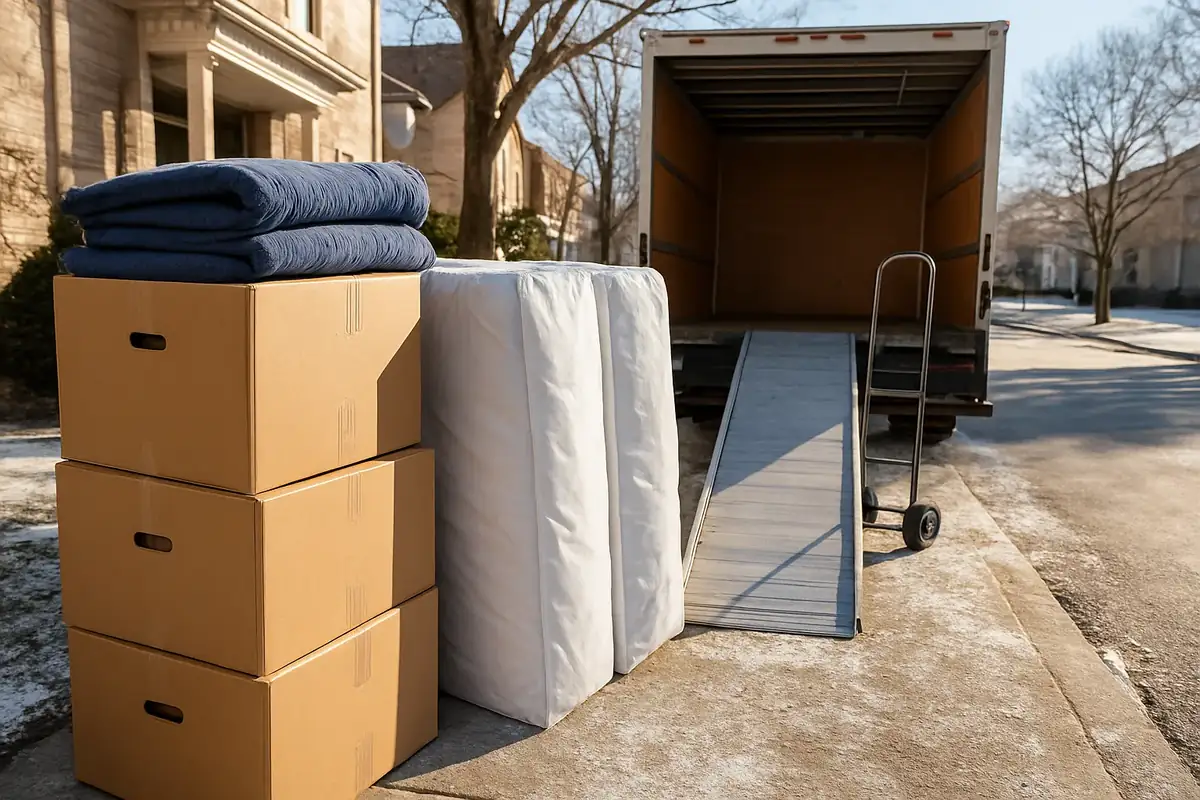
- Pack Soft Goods in Waterproof Polypropylene Totes & Wrap Mattresses. Use 50-lb rated waterproof zippered moving bags for winter coats and linens, and seal upholstered sofas and beds in 5-mil plastic mattress bags plus textile moving pads so salt spray never stains fabric.
- Sweep Residual Salt Grit & Wipe Thresholds Before Key Handoff. Once the truck doors close, pull up runners carefully from the outside inward so loose salt crystals fold inside the mat rather than spilling back across your freshly cleaned floor.
Planning a winter walk-up move? Calculate your exact stair-flight surcharges, crew hours, and materials savings in our Apartment Moving Cost Calculator or compare off-peak movers vs. rental trucks in our Movers vs. DIY Rental Truck Comparator.
Open Calculator →Frequently Asked Questions
Who is legally responsible for salting exterior apartment stairs on moving day—the tenant or the landlord?+
In most multi-unit US apartments, landlords and HOAs bear statutory responsibility for maintaining safe common stairwells and walkways. However, maintenance crews often clear driveways before secondary side stairs—so keeping a $25 bucket of concrete-safe ice melt ready to treat your exact exit flight prevents a $150–$350 crew cancellation while you wait for management.
Do winter movers charge extra beyond standard walk-up stair flight surcharges?+
Off-peak winter base hourly rates (November through March) frequently run 10% to 20% lower than summer peak rates, keeping base labor affordable ($125–$235/hr). However, standard walk-up fees still apply ($55–$95 for 2nd floor, $110–$190 for 3rd floor, $185–$340 for 4th–5th floor), and slushy steps slow carrying pace by 15%–25%.
What happens to a building COI requirement or 1-hour travel fee if a snowstorm forces rescheduling?+
Always ask your mover about their Written Weather Reschedule Clause before paying a deposit: reputable licensed carriers waive cancellation penalties if state highway patrols issue winter travel advisories and shift your COI elevator date at $0 extra charge, whereas turning crews away for unshoveled private stairs typically forfeits your 1-hour dispatch fee.
Can I rent a DIY box truck safely in snow and ice, or are full-service movers safer?+
Commercial rental trucks (15-ft to 26-ft box trucks) run rear-wheel drive on all-season tires and carry high wind resistance—plus loading ramps turn dangerously slick when snowy. If driving yourself in winter weather, scatter traction grit or salt directly onto the metal walk-ramp, wear lugged boots, and budget $170–$290 for 2-hour local loading helpers if steps are steep.
Are lightweight 35-lb textile moving pads or heavy 85-lb quilted blankets better for slushy winter moves?+
Use heavy 85-lb/dozen quilted cotton-poly blankets or 5-mil plastic mattress bags over exposed furniture when passing outdoors through falling sleet or wet stairwells, since thicker quilted batting blocks moisture bleed-through far better than thin 35-lb storage textile pads.
Interactive US Moving Tools
Compare Full-Service Movers vs. DIY Rental Truck in 30 seconds
Related Guides
apartment moving cost guides
Apartment Moving Cost Guides: Complete US Hourly Rates, Flat-Rate Quotes & Benchmarks
Local US apartment moves with licensed full-service crews average $640 to $1,530 for studios and 1-bedroom units and $1,270 to $3,572 for 2- and 3-bedroom apartments when self-packed, while DIY rental trucks run $155 to $507. This pillar guide decodes hourly crew math, travel fees, access surcharges, FMCSA estimate rules, and packing material ratios across every moving scenario.
apartment moving cost guides
Navigating Gated Apartment Keypads, Low Carports & Dead-End Courtyards ($65–$450)
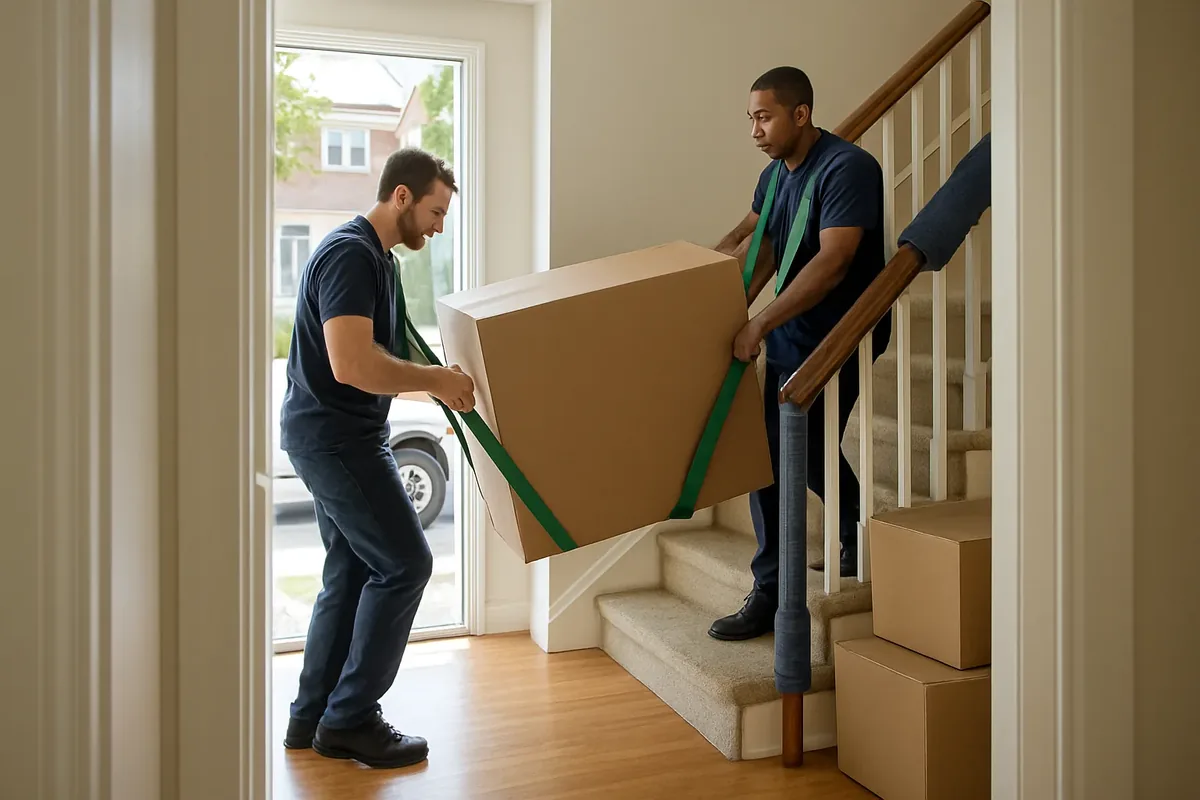
Suburban gated apartment communities frequently pair narrow call-box lanes and 11-foot carport awnings with dead-end courtyards that trap 20-ft and 26-ft box trucks. Learn exact box truck heights, turning radii, shuttle versus long-carry surcharges ($65–$450), and how to measure clearance before move morning.

apartment moving cost guides
Rear Alley Loading vs. Front Curb Staging: Time, Permits & Labor Cost Comparison
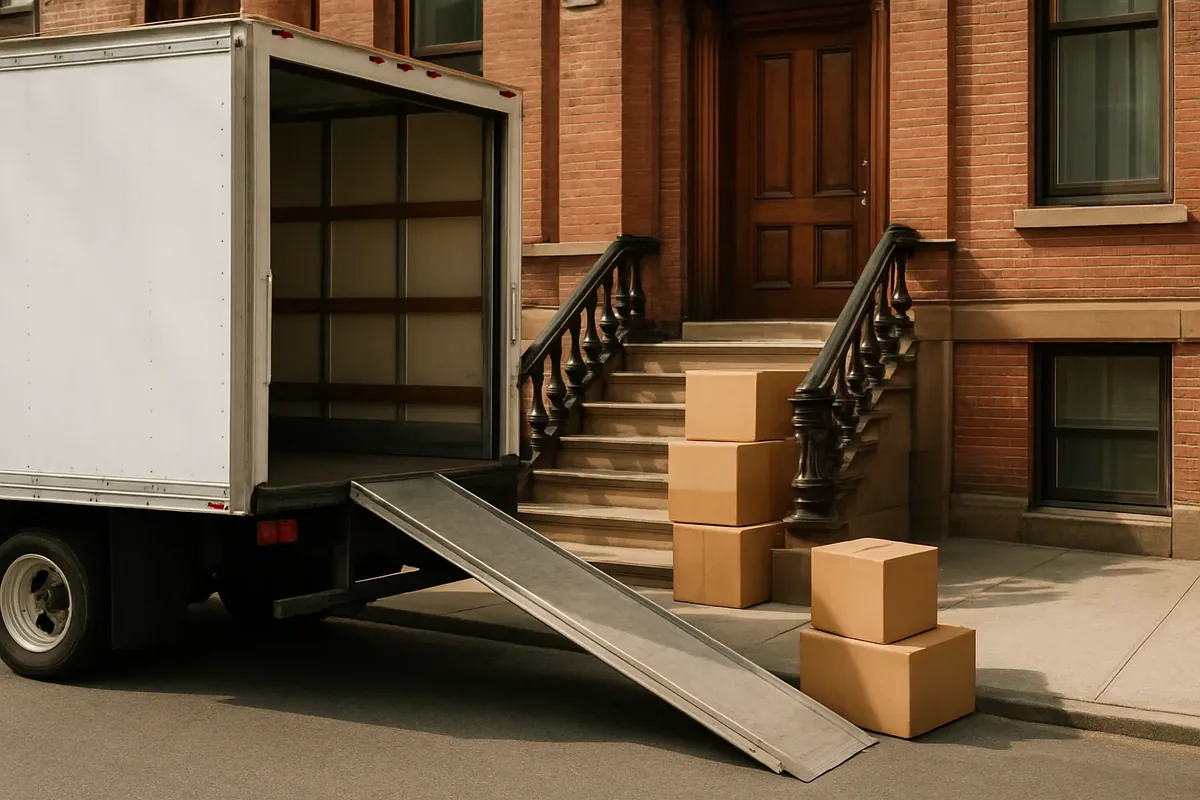
Choosing between a tight rear service alley and a permitted front street curb can swing a city apartment move by 1.5 hours and $110 to $320 in labor or ticket penalties. Compare municipal moving permit costs, garbage-truck blockage risks, long-carry fees, and night-before quiet staging tactics across 1-bedroom and 2-bedroom walk-ups.
apartment moving cost guides
Why City Movers Charge a Truck Spotter Fee or Double-Parking Buffer ($45–$350)
In dense urban corridors where legal 40-foot curb spots rarely open up, moving companies either bill a dedicated truck spotter ($45–$75/hr extra) or pass through $115–$350 double-parking citations and towing risk. Understand spotter fee math, 2-mover vs. 3-mover crew economics, and how legal moving permits protect your budget.