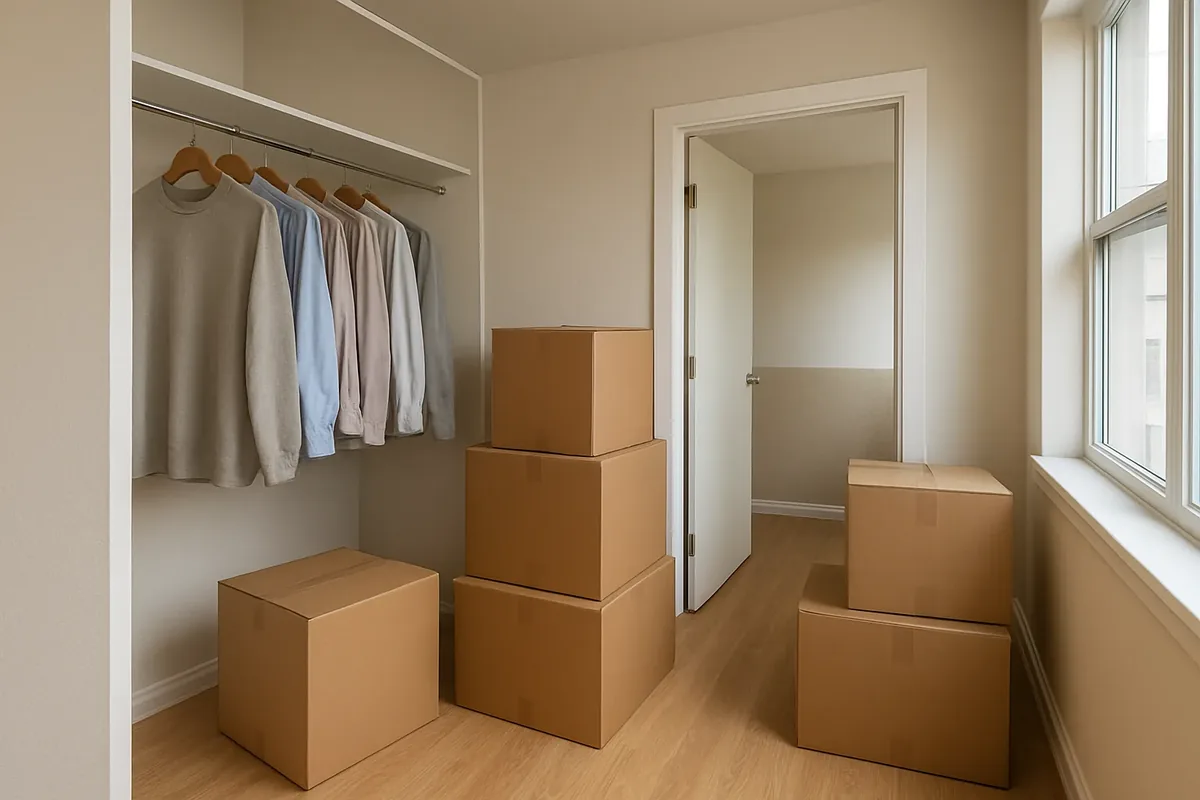
In this guide
- Why Podium Garage Dual-Elevator Transfers Trigger Lease Damage Deductions
- Floor Runner Prep & Surface Protection Through the Transfer Corridor
- Step-by-Step Doorway Measuring, Tarp Mattress Bags & Furniture Wrapping
- Transfer-Corridor Vulnerability & Protection Material Spec Matrix
- Cost Impact: Dual-Elevator Transfer vs. Ground-Floor Local Moves
Why Podium Garage Dual-Elevator Transfers Trigger Lease Damage Deductions
In modern 5-over-1 podium buildings and high-rise apartments across major US metros, residential units sit above two or three levels of concrete parking structure. Unless a building has an external street-level loading bay with a 13-foot-6-inch roll-up door, most 15-ft to 26-ft box trucks—which require 11 feet 6 inches to 12 feet 6 inches of vertical clearance—cannot drive past the 7-foot to 8-foot-2-inch overhead clearance bars, plumbing pipes, and sprinkler heads inside a subterranean garage.
Even when a 10-ft cargo van or shuttle van fits into level B1 or B2, your belongings still have to ride a dedicated garage shuttle elevator up to the podium lobby or mezzanine, roll 75 to 150 feet down a finished transfer corridor, clear heavy magnetic fire doors, and reload into a separate residential tower elevator. That double-transfer route multiplies the exact pinch points—polished concrete thresholds, porcelain lobby tiles, painted drywall returns, and stainless cab frames—that property managers inspect before releasing a $250 to $500 move-in/move-out security deposit.
Floor Runner Prep & Surface Protection Through the Transfer Corridor
Standard hard-rubber 4-wheel dolly wheels leave black friction streaks on light epoxy garage decks and crack hollow-core porcelain tiles when loaded with 400 pounds of book cartons. Before a single box leaves your apartment, walk the entire path from your unit door, down the residential cab, through the podium transfer corridor, down the garage elevator, and out to the loading dock or curb apron.
- Lay heavy rosin paper, Masonite sheets, or peel-clean corridor film across polished tile and hardwood lobby transitions: Tape seams edge-to-edge with low-tack painter's tape rather than duct tape, which pulls clear-coat finish off sealed wood thresholds and concrete stains.
- Bridge aluminum elevator door tracks with thin plywood or rubber threshold mats: Heavy two-wheel hand trucks jumping a half-inch recessed steel cab sill jolt stacked boxes sideways into elevator door sensors.
- Pad 90-degree transfer-corridor drywall corners up to 72 inches high: Most corridor scrapes occur between 30 inches and 60 inches off the floor where bed rails and dresser edges pivot around fire-door vestibules.
- Wedge fire-rated corridor doors cleanly without jamming self-closing hinges: Use heavy rubber doorstop wedges at the bottom outer corner rather than wedging wood blocks into hydraulic closer arms, which bends overhead hardware and triggers $150+ maintenance back-charges.
Amazon US Apartment Moving Supplies
Recommended Moving Boxes, Blankets & Bags for This Move
Apartment moving supplies matched to this guide (Amazon.com affiliate ID: apartmentmovingcost-20).
Scotch Stretchable 5-Inch Mini Bundling Wrap with Handle 5" x 1000 ft (2-Pack)
One-handed 5-inch mini stretch wrap dispenser for bundling silverware trays, cords, curtain rods, and remote controls
Goodwrappers Patented Brake-Handle 20" x 1000 ft Moving Stretch Film (2-Pack)
Built-in squeeze-brake paper handles allow tight high-tension wrapping around moving blankets without hand burn
Sure-Max 12 Pro Moving & Packing Blankets 80" x 72" (85 lb/dz Heavy-Duty Quilted)
Professional zig-zag double-stitched padded polyester/cotton blankets protecting dressers and door frames
As an Amazon Associate I earn from qualifying purchases. Always verify live stock and pack sizing directly on Amazon.com.
Step-by-Step Doorway Measuring, Tarp Mattress Bags & Furniture Wrapping
Dual-elevator cabs rarely match each other's dimensions. A residential tower freight cab may measure 84 inches tall inside with a 42-inch clear door opening, while the older subterranean garage elevator down to B2 might only offer a 36-inch door and a 78-inch cab ceiling. Measuring both cabs and every corridor fire door prevents mid-move gridlock that stalls an hourly moving crew at $130 to $235 per hour.
- Measure cab heights, door widths, and diagonal sofa clearance. Record the narrower clear door width (typically 34 to 42 inches past the rubber safety edge) and the lowest ceiling height across both elevators. Any sofa longer than 84 inches requires either an angled diagonal tilt inside a taller freight cab or pre-removal of screw-on wooden legs so its frame clears fire-door transoms.
- Seal mattresses inside tarp-style bags with stitched carry handles. Standard slip-on 2-mil plastic bags shred the moment a queen or king mattress touches concrete garage floor grit or catches a fire-door latch. Slide mattresses into thick 5-mil polyethylene or woven tarp mattress bags equipped with sewn webbing carry handles so two lifters can clear the garage transfer threshold without dragging fabric across oily pavement.
- Wrap case goods in 85-lb/doz quilted moving blankets. Draping dressers, nightstands, and dining tables in Sure-Max 12 Pro Moving & Packing Blankets (80 x 72 inches, 85 lb/dozen heavy-duty zig-zag stitched polyester/cotton) creates dense impact cushioning on every sharp corner that touches an elevator wall pad or doorframe.
- Lock blankets tight with 80-gauge brake-handle stretch film. Avoid sticking packing tape directly onto wood lacquer or quilted pads. Spin two full passes of Goodwrappers Patented Brake-Handle 20" x 1000 ft Moving Stretch Film (80-gauge film with built-in squeeze-brake paper handles) from base to top so blankets compress tightly and drawers stay shut through four threshold transitions.
- Bundle loose cords, curtain rods, and cutlery trays with 5-inch mini wrap. Use Scotch Stretchable 5-Inch Mini Bundling Wrap with Handle (5" x 1000 ft, 80-gauge mini roll) to bind dining chair pads, lamp harps, TV power bricks, and flatware organizers into sealed units so small screws or remote controls never bounce into an open elevator shaft gap.
Transfer-Corridor Vulnerability & Protection Material Spec Matrix
Matching each building checkpoint to the right protection spec eliminates guesswork whether you hire full-service movers or prep the corridor yourself before a DIY truck arrival:
| Building Checkpoint | Typical Deposit Deduction | Primary Damage Cause | Recommended Prep & Material Spec |
|---|---|---|---|
| Residential Elevator Threshold & Cab Panels | $150 – $350 | Exposed wood dresser corners & sliding steel hand-truck frames | 80 x 72 in quilted blankets (85 lb/doz) + building cab pads |
| Podium Transfer Corridor Drywall Corners | $125 – $300 | Long sofas & queen bed rails pivoting 90 degrees at fire doors | Corrugated corner guards + 80-gauge 20 in stretch film lock |
| Lobby Tile & Subterranean Epoxy Floor | $150 – $400 | Black rubber dolly scuffs & cracked tile edges from overloaded stacks | Breathable floor runners taped with low-tack painter's tape |
| Garage B1/B2 Concrete Ramp & Sprinkler Pipes | $250 – $500+ | Unsecured loose items, torn mattress bags, or tall loads hitting pipes | 5-mil/tarp mattress bags + 5 in x 1000 ft 80-gauge mini bundling wrap |
Cost Impact: Dual-Elevator Transfer vs. Ground-Floor Local Moves
When evaluating whether to let movers supply padding materials or buy your own protective wrap kit ahead of move day, factor in the extra hourly clock time created by a dual-elevator transfer. Under standard US local tariffs for a move under 15 miles (12-mile average, including a 1.0-hour travel fee and $75–$145 mover truck charge), switching from ground floor to a reserved freight plus garage transfer elevator adds 0.5 to 1.0 billable hours plus $45 to $95 in elevator/long-carry access surcharges.
| Apartment Size & Volume | Ground-Floor Mover Total (DIY-Packed) | Dual-Elevator Transfer Extra Time & Access Fee | Dual-Elevator Full-Service Total (DIY-Packed) | DIY Truck + Protection Kit Total |
|---|---|---|---|---|
| Studio (250 cu ft / 2,000 lbs) | $640 – $1,080 (4.0–5.0 hrs @ $125–$165/hr) | +0.5 hr ($63–$83) + $45–$95 elevator/access | $748 – $1,258 (+$180–$320 if mover-packed) | $101 – $161 (10-ft truck + $65–$110 kit) |
| 1-Bedroom (420 cu ft / 3,200 lbs) | $820 – $1,530 (5.0–7.0 hrs @ $130–$175/hr) | +0.5–1.0 hr ($65–$175) + $45–$95 access | $930 – $1,800 (+$290–$520 if mover-packed) | $142 – $222 (12–15 ft truck + $95–$160 kit) |
| 2-Bedroom (680 cu ft / 5,400 lbs) | $1,270 – $2,378 (6.0–8.5 hrs @ $175–$235/hr) | +0.75–1.25 hr ($131–$294) + $65–$135 access | $1,466 – $2,807 (+$460–$820 if mover-packed) | $204 – $313 (15–20 ft truck + $145–$235 kit) |
Notice that if a podium garage forces a long carry above 75 feet between the street truck and the B1 elevator shaft—or if you hire 2-hour DIY loading helpers ($170–$290)—pre-wrapping your furniture the night before with 85-lb quilted blankets and 80-gauge stretch film shaves 30 to 45 minutes off paid crew time. On a 2-bedroom crew billed at $175–$235 per hour, saving 45 minutes recovers $131 to $176 in hourly labor before counting the protected security deposit.
Model your podium building's exact elevator wait times, long-carry distance, and apartment cubic footage in the Apartment Moving Cost Calculator or compare DIY truck savings in the Movers vs. DIY Rental Truck Comparator.
Open Calculator →Frequently Asked Questions
Will a moving company supply floor runners and wall pads automatically for a podium garage transfer?+
Most licensed movers carry a standard complement of neoprene floor runners and 85-lb/doz quilted door-jamb pads on their trucks, but extended 75-to-150-foot transfer corridors frequently exceed what a single crew keeps onboard. Confirm the linear footage of floor runners in writing before booking, or stage extra runners yourself so your crew does not stall waiting for building maintenance.
How do building COI requirements affect subterranean podium garage moves?+
Property managers typically reject movers on arrival if the Certificate of Insurance omits the exact LLC owner name, $1M general liability coverage, or workers' compensation endorsement. Request the sample COI PDF from your leasing office two weeks early so your mover's dispatcher can issue an approved certificate before your reserved elevator window begins.
Are California podium garage moves billed differently under Double Drive Time (DDT) rules?+
Yes. In California, state tariff rules require intrastate movers to double the actual driving time between origin and destination instead of charging a flat 1-hour depot travel fee on standard local moves. All on-site dual-elevator transfer time, shuttle walking, and corridor padding labor inside the podium building are still billed continuously at the hourly crew rate.
Should I use 32-ECT or 48-ECT boxes when stacking dollies for a dual-elevator transfer?+
Use 32-ECT corrugated boxes for clothing, linens, and light kitchenware stacked four-high on a dolly, and upgrade heavy book, dish, or vinyl record cartons to heavier 44-ECT or double-wall 48-ECT boxes. Weaker boxes crush on bottom rows when dollies drop over steel elevator door tracks twice per load.
Does an FMCSA binding interstate estimate cover a dual-elevator or shuttle carry in a podium garage?+
Under FMCSA rules, an interstate binding estimate guarantees the quoted price only for access conditions disclosed before move day. If your binding order lists standard curbside dock access but a 7-foot-2-inch podium garage blocks the 18-wheeler or 26-ft straight truck—forcing an unquoted shuttle van or dual-elevator long carry—the carrier can issue a revised written addendum before unloading.
Interactive US Moving Tools
Compare Full-Service Movers vs. DIY Rental Truck in 30 seconds
Related Guides
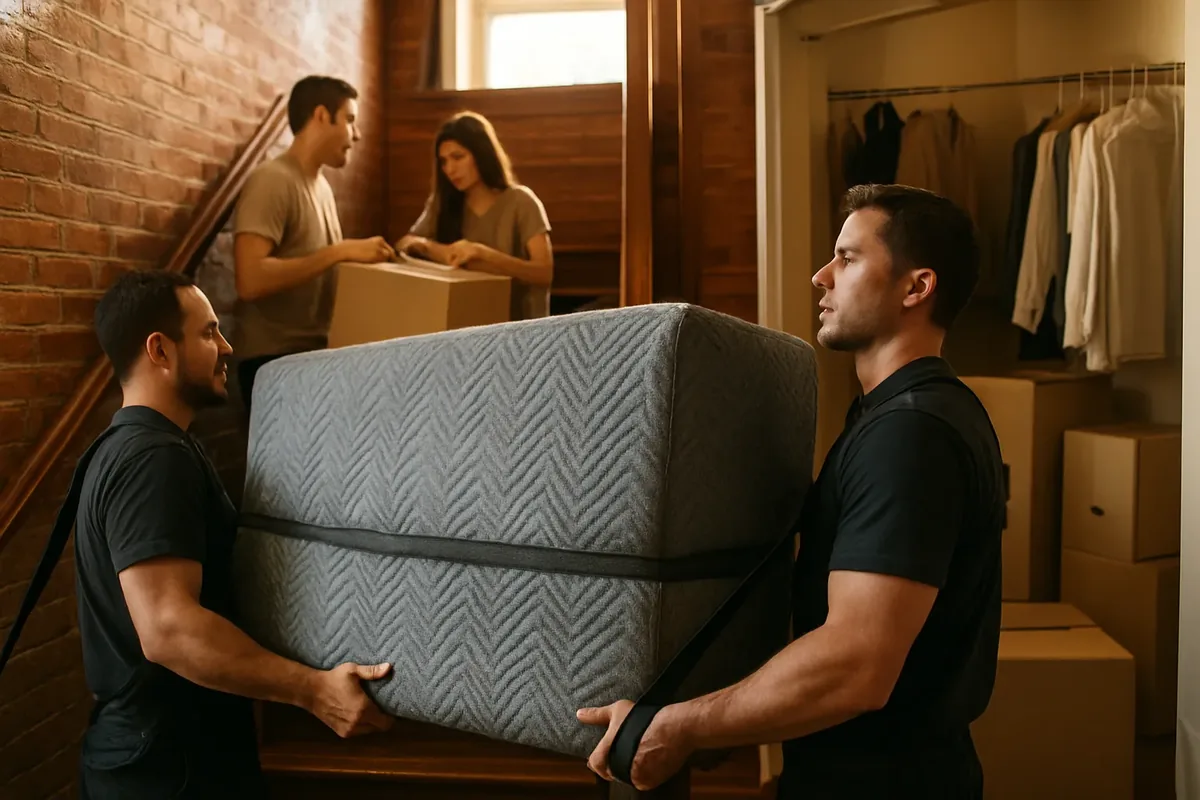
walk up stairs and elevator moving costs
Walk-Up Stairs & Elevator Moving Costs: Complete US Benchmarks & Guides
Walk-up staircases, shared passenger elevators, and long-carry podium corridors routinely add $110 to $1,045 to a US apartment moving invoice through combined extra crew hours and flat tariff surcharges. This hub breaks down exact 2nd-to-5th-floor carry penalties, freight elevator booking rules, shuttle truck triggers, and the strapping gear that saves hours on moving day.
walk up stairs and elevator moving costs
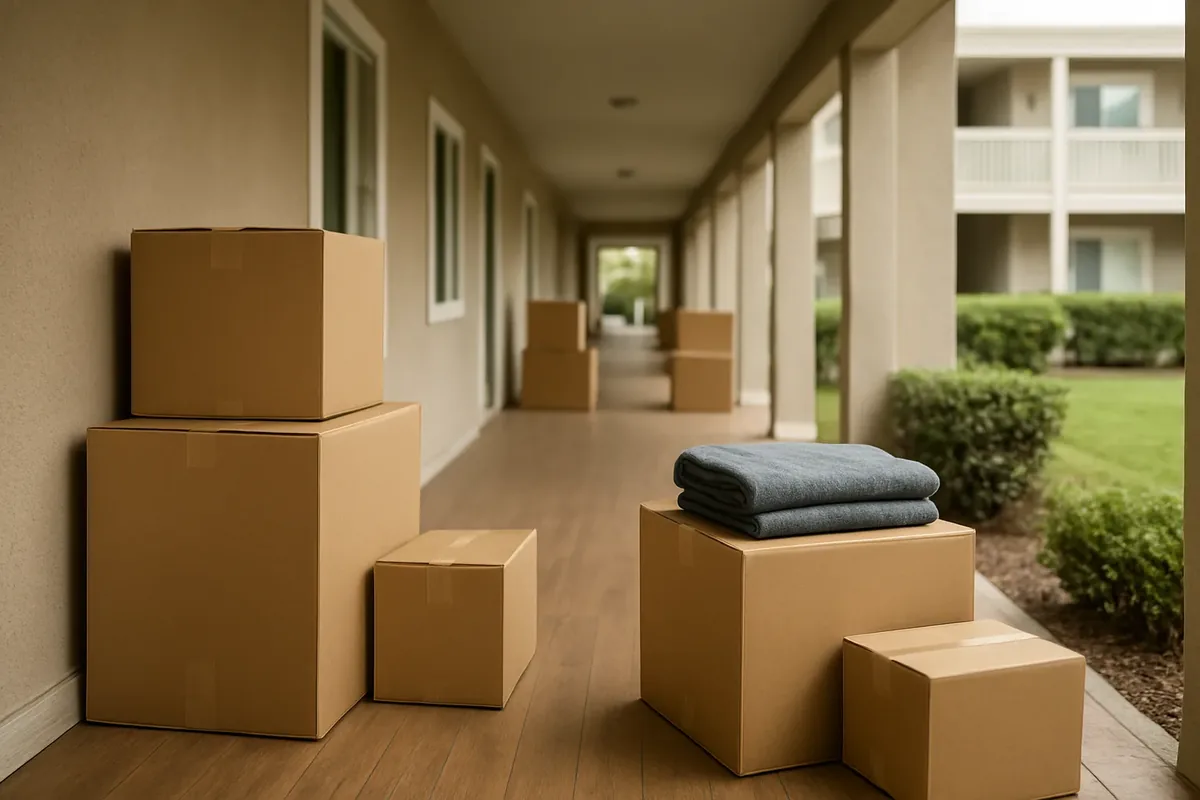
Moving Fee Breakdown for Long-Carry Hallway (75–150 Feet) Apartments
Apartments positioned 75 to 150 feet down a hotel-style corridor or across a gated courtyard incur both a $65 to $135 flat long-carry surcharge and 0.5 to 1.5 extra hours of crew walking time. Compare how US carriers structure flat access tariffs against hourly labor billing across studio through 3-bedroom moves.
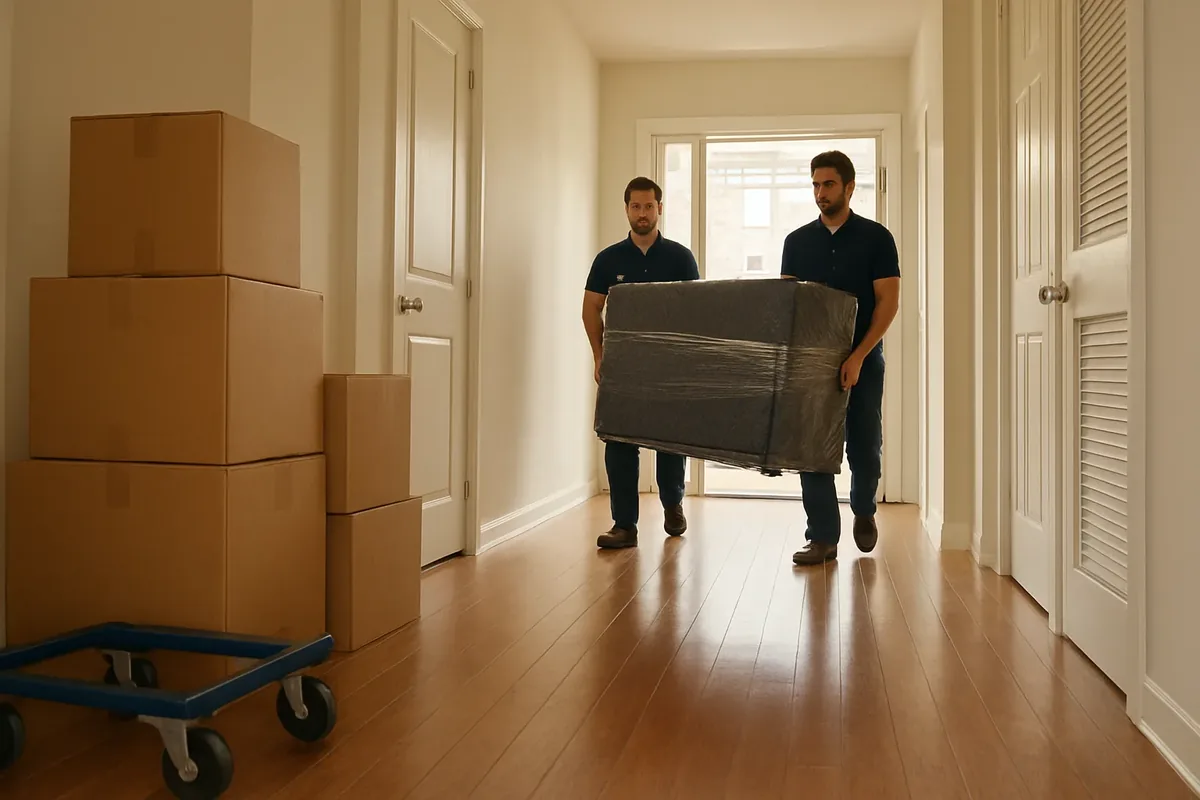
walk up stairs and elevator moving costs
How a Long-Carry Hallway (75–150 Feet) Changes a 1-Bedroom Local Move Quote
A 75-to-150-foot apartment corridor adds 30 to 60 minutes (and up to 75 minutes with elevator waits) to a 2-mover crew clock, raising a 1-bedroom local quote by $130 to $310. See exact trip-by-trip pace math for studios and 1-bedrooms, plus pre-staging tactics that shave billable crew minutes.
walk up stairs and elevator moving costs
2-Bedroom Long-Carry Hallway (75–150 Feet) Crew Size Guide: 2 vs. 3 vs. 4 Movers
Trying to load a 2-bedroom apartment (680 cu ft, 5,400 lbs) down a 75-to-150-foot hallway with only two movers stalls crew momentum and triggers costly afternoon fatigue. Discover why upgrading to a 3- or 4-mover relay configuration slashes billable hours by 2.0 to 3.5 hours without inflating your final invoice.