In this guide
- Why Kids' Bedroom Boxes Fail Inside Apartment Moving Trucks
- Carton Weight Limits & Vertical Stacking Rules for Kids' Gear
- The 2-Inch Void Cushioning System & Protective Supply Specs
- H-Taping Seams, Crib Disassembly & Color-Coded Room Labeling
- Full-Service Movers vs. DIY Rental Truck Cost Impact for a 2-Bedroom Move
- Truck Stacking Sequence & Apartment Access Logistics
Why Kids' Bedroom Boxes Fail Inside Apartment Moving Trucks
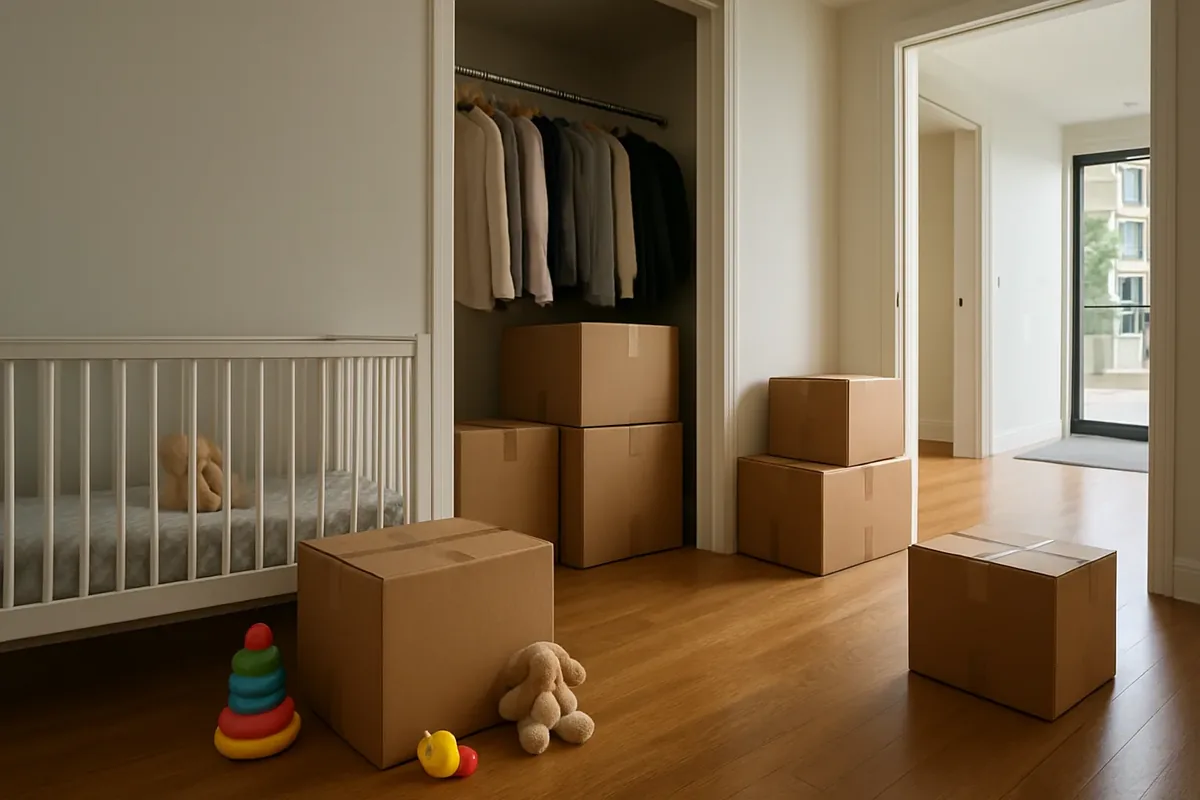
A children's bedroom looks deceptively light compared to a kitchen or living room, yet professional residential crews consistently rank nursery and kids' room cartons among the top three sources of transit damage in apartment relocations. The failure mode is structural mismatch: dense board books, solid-wood block sets, and die-cast vehicles sit right alongside hollow plastic dollhouses, fragile acrylic snow globes, baby monitors, and long painted crib spindles. When renters toss mixed toys into a single 4.5 cu ft large box, the weight easily crosses 55 lbs while leaving hollow air pockets near the top flaps. Once loaders stack three tiers high inside a 15-ft or 20-ft rental truck—where vertical tiers experience over 150 lbs of dynamic compression during highway braking—any under-filled or unevenly cushioned carton buckles at the corners.
On a 2-bedroom apartment move averaging 680 cu ft and 5,400 lbs, the kids' bedroom typically accounts for 110 to 165 cu ft (roughly 18% to 24% of total shipment volume). Whether you hire a 3-mover crew billing $175–$235/hr with a mandatory 1-hour travel fee or rent a 15–20 ft box truck at $40–$55/day plus $1.19–$1.59 per local mile and fuel at $3.55/gal (10 mpg), damaged boxes slow down every elevator cycle and walk-up stair carry. Worse, if you self-pack without proper interior cushioning, standard US moving company released-value protection ($0.60 per pound per article) and even Full Value Protection plans routinely exclude 'Packed by Owner' (PBO) cartons that show no external crushing.
Carton Weight Limits & Vertical Stacking Rules for Kids' Gear
Every corrugated box carries an Edge Crush Test (ECT) rating stamped on the bottom flap. Standard single-wall 32-ECT cartons are engineered for loads up to 65 lbs when evenly supported, while double-wall 44-ECT to 48-ECT dish-pack cartons resist vertical stacking collapse under heavier loads. However, apartment stairs and shared passenger elevators dictate a much stricter practical limit: never load a small 1.5 cu ft box past 40 lbs, a medium 3.0 cu ft box past 45 lbs, or a large 4.5 cu ft box past 35 lbs. In a 3rd-floor walk-up apartment—where movers add 1.0 to 1.75 extra crew hours or a $110–$190 stair surcharge—an overstuffed 60-lb toy chest forces two-person carries and burns $35–$60 in avoidable hourly labor.
Vertical stacking—the same physics professional packers use for china dinner plates—applies directly to flat kids' bedroom items. Melamine toddler plates and divided trays, framed nursery wall art, magnetic tile baseplates, wooden puzzle boards, and oversized hardcover picture books should always stand vertically on their rigid edge rather than lying flat in horizontal stacks. Flat horizontal stacks concentrate the full weight of upper layers directly onto the weakest center span of the bottom piece, cracking plastic trays, snapping puzzle plywood, and warping book spines. Standing flat pieces upright with foam sleeves or corrugated dividers channels vertical compression down through the strongest edge axis.
| Kids' Bedroom Category | Recommended Carton & ECT | Max Loaded Weight | Orientation & Cushioning Rule | DIY Material Share vs. Mover Charge |
|---|---|---|---|---|
| Board Books & Hardcovers | 1.5 cu ft Small (32-ECT) | 35–40 lbs | Spine-down or upright vertical rows; 1-in paper pad on bottom | $6–$14 DIY vs. $25–$55 Mover |
| Framed Art, Puzzle Boards & Toddler Plates | 3.0 cu ft Medium (32–44 ECT) | 30–35 lbs | Vertical plate-style edge stacking in 1/16-in EPE foam sleeves + 2-in void pad | $8–$20 DIY vs. $35–$75 Mover |
| Baby Monitor, Sound Machine & Nightlight | 1.5 cu ft Small (32-ECT) | 20–25 lbs | 3/16-in self-seal double-wall bubble bags + 2-in crumpled paper surround | $5–$12 DIY vs. $20–$45 Mover |
| Crib Rails, Slats & Changing Topper | Wrapped Bundle + Mattress Bag | 45–65 lbs (team lift) | 1/2-in large-cell bubble wrap + 85-lb quilted moving blanket; 5-mil bag on crib mattress | $8–$28 DIY vs. $40–$90 Mover |
| Plush Toys, Pillows & Kids' Bedding | 4.5 cu ft Large (32-ECT) | 20–30 lbs | Zero-compression top-tier load; use clean poly liner against truck dust | $4–$12 DIY vs. $20–$45 Mover |
| Total Kids' Room Allocation | 8–14 Mixed Cartons | ~110–165 cu ft | H-taped seams + color-coded room & priority labels on 2 adjacent sides | $30–$95 DIY vs. $140–$310 Mover |
Amazon US Apartment Moving Supplies
Recommended Moving Boxes, Blankets & Bags for This Move
Apartment moving supplies matched to this guide (Amazon.com affiliate ID: apartmentmovingcost-20).
Large 1/2-Inch Heavy-Duty Bubble Cushioning Roll 24" x 125 ft (Perforated)
Thick 1/2-inch large-cell bubble wrap for stereo receivers, desktop monitors, lamps, and glass tabletops
Cushion Foam Pouches & Plate Sleeves Assortment with Fragile Stickers (100-Pack)
1/16-inch polyethylene slip-in foam pockets in 3 sizes (12x12, 8x12, 6x12) for rapid plate and mug packing
Double-Walled Bubble Bags with Self-Seal Lip 8" x 11.5" (50-Pack)
Peel-and-seal clear bubble pouches for perfume bottles, spice jars, collectibles, and hard drives
As an Amazon Associate I earn from qualifying purchases. Always verify live stock and pack sizing directly on Amazon.com.
The 2-Inch Void Cushioning System & Protective Supply Specs
The single most effective damage-prevention standard in professional residential packing is the 2-inch void rule: no rigid toy, wooden dollhouse piece, nursery lamp base, or crib bracket may sit closer than 2 inches to any of the six interior walls of a corrugated box. Start by laying a compressed 2-inch bed of crumpled unprinted packing paper or large-cell bubble wrap across the bottom flaps before placing the first item. As you build tiers, fill every side gap so nothing shifts when you give the closed box a firm shake test. Finish with a 2-inch top cushion that rises roughly 1/2 inch above the score line so the lid compresses gently onto the padding rather than leaving a collapsible air cavity.
Matching cushioning thickness to item mass saves both space and material waste. For heavy nursery fixtures like ceramic table lamps, sculpted bookshelves, wooden rocking horses, and disassembled crib end-panels, wrap at least two full layers using a perforated roll such as the Uboxes Large 1/2-Inch Heavy-Duty Bubble Cushioning Roll (24 in x 125 ft, 1/2-inch large-cell bubbles across 125 linear feet). Those deeper 1/2-inch air cells absorb corner impacts against narrow apartment stairwell banisters far better than thin shipping wrap. For flat items stacked vertically—wooden jigsaw frames, melamine toddler bowls and plates, acrylic keepsake boxes, and small glass picture frames—slip each piece into a pocket from the WOWFIT Cushion Foam Pouches & Plate Sleeves Assortment (100-pack in 12x12, 8x12, and 6x12 inch sizes made of 1/16-inch EPE polyethylene foam with included fragile stickers). Finally, small high-loss items—crib Allen bolts, cam locks, baby monitor power cords, thermometer probes, and collectible figurines—belong inside Bubblefast Double-Walled Bubble Bags with Self-Seal Lip (8 x 11.5 inch, 3/16-inch double-wall bubble pouches, 50-pack) so hardware never tears through thin grocery bags or vanishes during reassembly.
H-Taping Seams, Crib Disassembly & Color-Coded Room Labeling
Even a double-wall box splits open on an elevator threshold if you only run a single center strip of tape. Professional packers use the H-tape method on both the bottom and top flaps: one 2-inch strip of 3.0-mil acrylic or hot-melt moving tape centered along the main meeting seam (extending 3 inches down both side walls), followed by two perpendicular edge strips sealing the open flap gaps on the left and right edges. The resulting 'H' locks the carton against racking forces when movers tip a hand truck back onto two wheels and keeps dust, humidity, and stairwell rain off children's clothing and plush toys.
- Stage a 'First-Night Kid Essentials' Carton. Before sealing regular toy boxes, dedicate one clearly marked medium box (or clear tote) for favorite sleep plushies, two days of pajamas, diapers or pull-ups, sound machine, nightlight, and favorite bedtime books. Keep this box in your personal vehicle so you never hunt through 45 stacked cartons at 9:00 PM.
- Bag and Tape Crib Hardware Directly to the Headboard. Remove crib mattress support brackets and bolts systematically. Place all bolts, barrel nuts, and the hex key inside a sealed 8 x 11.5 inch double-wall bubble bag, label it with the crib brand and model, and tape the pouch flat against the interior face of the wrapped crib headboard—never directly on painted wood—over the first layer of bubble wrap.
- Build Tiered Toy Boxes Heavy-to-Light. Place dense wooden train tracks or hardcover books on the bottom 2-inch cushion layer, install a flat cardboard divider sheet, and top the upper half with lightweight plastic figurines, soft blocks, or kids' t-shirts. Never exceed 35–40 lbs per carton.
- Seal Every Carton with the 3-Strip H-Tape Pattern. Press the center tape seam firmly with a flat palm or tape-gun wiper blade to activate the pressure-sensitive adhesive, then cap both perpendicular edge seams so flaps cannot catch on elevator door tracks or hand-truck lips.
- Apply Color-Coded Labels on Two Adjacent Sides. Assign one distinct sticker color exclusively to the kids' bedroom and place labels on the upper-right corner of two adjacent vertical sides—never solely on the top lid, which disappears once boxes are stacked four high. Write 'KIDS ROOM — FRAGILE / TOP LOAD' or 'KIDS ROOM — OPEN FIRST' in bold chisel-tip marker.
Full-Service Movers vs. DIY Rental Truck Cost Impact for a 2-Bedroom Move
How you cushion, stack, and label a kids' bedroom directly influences your overall apartment moving invoice. Poorly sealed or oversized boxes increase crew loading hours and trigger extra packing material fees on moving day. Below is a benchmark breakdown for a standard 2-bedroom apartment (900–1,250 sq ft, 680 cu ft, 5,400 lbs) moving locally under 15 miles (12 miles average) from a 2nd-floor walk-up apartment, showing how full-service mover packing compares with self-packing and a DIY 15–20 ft rental truck.
| Cost Component | Full-Service Movers + Pro Packing | Full-Service Movers (DIY Self-Pack) | DIY 15–20 ft Rental Truck + Self-Pack |
|---|---|---|---|
| Moving Crew Labor (3 Movers, 5.0–7.5 base + 0.5–1.0 stair + 1.0 travel hrs @ $175–$235/hr) | $1,140 – $2,235 | $1,140 – $2,235 | $0 (or $170–$290 for 2-hr loading helpers) |
| Pro Packing Labor (Kids' Room + Full Unit, ~3–5 hrs) | $525 – $1,175 | $0 | $0 |
| Transportation / Truck / Fuel (12 mi local @ $3.55/gal, 10 mpg) | $75 – $145 mover transport fee | $75 – $145 mover transport fee | $58 – $80 ($40–$55 base + mileage + fuel) |
| Walk-Up Access Surcharge (2nd Floor, 1 Flight) | $55 – $95 | $55 – $95 | $0 (extra DIY carry effort) |
| Packing Materials (Full 2BR Kit incl. Kids' Room Cushioning) | $460 – $820 mover-supplied | $145 – $235 Amazon DIY kit | $145 – $235 Amazon DIY kit |
| Estimated Total Relocation Range | $2,255 – $4,470 | $1,415 – $2,710 | $203 – $315 ($373–$605 w/ helpers) |
Truck Stacking Sequence & Apartment Access Logistics
Whether a 3-person crew loads your items or you pack a 15-ft rental truck yourself, loading sequence determines whether kids' bedroom cartons arrive square or collapsed. Place 35–40 lb board-book small boxes on the deck floor along the bulkhead wall as base tiers. Stack medium 3.0 cu ft toy boxes in the middle tier with vertical fragile-art boxes braced tightly between upholstered furniture or wrapped dressers so they cannot tip sideways during turns. Reserve the highest tier above waist level strictly for 4.5 cu ft plush-toy and bedding cartons.
- Encase crib and toddler mattresses in dedicated 5-mil polyethylene mattress bags sealed with tape before carrying them through apartment hallways or shared elevators; standard 2-mil dust covers tear on metal elevator door jambs.
- Wrap painted crib headboards, dressers, and wooden bookshelves in 85-lb per dozen quilted moving blankets secured with rubber mover bands or stretch wrap—never apply packing tape directly to lacquered nursery furniture.
- Confirm your apartment building's Certificate of Insurance (COI) requirements and freight elevator reservation window 10–14 days ahead; losing a reserved freight elevator forces crews onto a shared passenger elevator, adding 1.0–1.75 hours and $85–$175 in access surcharges.
- Measure the walking distance from the curb or loading zone to your apartment door; carries exceeding 75 feet frequently trigger a $65–$135 long-carry fee on full-service estimates.
Ready to budget your full family apartment move? Plug your bedroom count, walk-up floor or elevator type, distance, and self-pack supplies into our Apartment Moving Cost Calculator or run a side-by-side Movers vs. DIY Rental Truck Comparator to lock in accurate 2026 cost ranges.
Open Calculator →Frequently Asked Questions
Should I use 32-ECT or 48-ECT boxes for kids' board books and wooden toys?+
Use standard 32-ECT single-wall 1.5 cu ft small boxes for board books and wooden blocks, provided you cap each carton at 35–40 lbs and H-tape the seams. Reserve heavier double-wall 44-ECT to 48-ECT dish-pack boxes for fragile nursery lamps, ceramic piggy banks, glass-framed art, and delicate keepsakes that need extra sidewall crush resistance in multi-tier truck stacks.
Can movers disassemble and reassemble a convertible baby crib, and does it cost extra?+
Most licensed US full-service movers will disassemble and reassemble standard cribs using basic hex or screwdriver hardware as part of their hourly labor ($130–$175/hr for 2 movers or $175–$235/hr for 3 movers). Expect crib teardown and reassembly to add 20 to 40 minutes to the clock, and always verify that your mover's valuation policy covers customer-assembled cribs—some carriers require you to tighten final safety bolts yourself for child-safety liability reasons.
How do building COI requirements and elevator reservations affect kids' room move times?+
Mid-rise and high-rise US apartments usually require a Certificate of Insurance (COI) naming the property management entity as additionally insured, plus a reserved freight elevator block (often $45–$95 in building staging or mover access impact). Without a reserved freight elevator, crews wait on shared passenger elevators, adding 1.0 to 1.75 extra hours ($175–$410 in 3-mover labor) plus $85–$175 in access surcharges.
What is the difference between an FMCSA binding and non-binding estimate when movers pack a kids' room?+
For interstate moves, a binding estimate locks your total price based on the surveyed inventory and agreed packing services—meaning you won't pay extra if the kids' bedroom takes an additional hour unless you add unlisted items. A non-binding estimate is only an approximation based on estimated weight and packing count; final charges can rise if the kids' room produces more cartons or weight than projected, though the carrier cannot demand more than 110% of the estimate at delivery.
Do local apartment movers charge a 1-hour travel fee or California Double Drive Time (DDT) for packing days?+
Yes. Across most US metros, local hourly movers charge a 1.0-hour standard travel fee ($130–$235 depending on crew size) to cover dispatch from their warehouse and return. In California, state-regulated intrastate local moves follow Double Drive Time (DDT), meaning the driving time between your old and new apartments is doubled on the labor clock—making tight, pre-packed, clearly labeled kids' bedroom boxes essential to keeping total billed hours under control.
Interactive US Moving Tools
Compare Full-Service Movers vs. DIY Rental Truck in 30 seconds
Related Guides
packing labor and material cost guides
Packing Service & Supply Cost Calculators: Complete US Benchmarks & Guides
Comparing full-service mover packing rates against buying your own boxes, tape, clean newsprint, bubble wrap, blankets, and mattress bags reveals savings of $115 to $1,140+ depending on apartment size. This pillar hub breaks down exact box counts, crew packing hours, fragile-only kitchen packages, and 32-ECT corrugated material specs from studio to 4-bedroom apartments.
packing labor and material cost guides
How Much Do Movers Charge to Pack Entry Coat Closet & 30+ Pair Shoe Rack?
See exactly how US moving companies itemize packing labor, wardrobe cartons, medium shoe boxes, and tape fees for an apartment entry coat closet and 30+ pair shoe rack. Compare full-service packing invoices against self-packing and DIY rental truck budgets before signing an estimate.
packing labor and material cost guides
Self-Packing Entry Coat Closet & 30+ Pair Shoe Rack: How Much Do You Save on Amazon?
See the exact dollar markup moving companies apply to wardrobe cartons, medium shoe boxes, packing paper, and tape for an entry coat closet and 30+ pair shoe rack. Learn how sourcing supplies on Amazon US saves $115 to $260 on this zone alone—and up to $585 across a full 2-bedroom apartment.
packing labor and material cost guides
How Many Small, Medium & Large Boxes for Entry Coat Closet & 30+ Pair Shoe Rack?
Use our room-tested box calculator table to order the exact count of small, medium, large, wardrobe, and dish-pack cartons—plus tape yardage and paper sheet weights—for an apartment entry coat closet and 30+ pair shoe rack. Avoid running out of boxes mid-pack or overbuying supplies.