In this guide
Why Rental Truck Loading Physics Make or Break Delicate Electronics
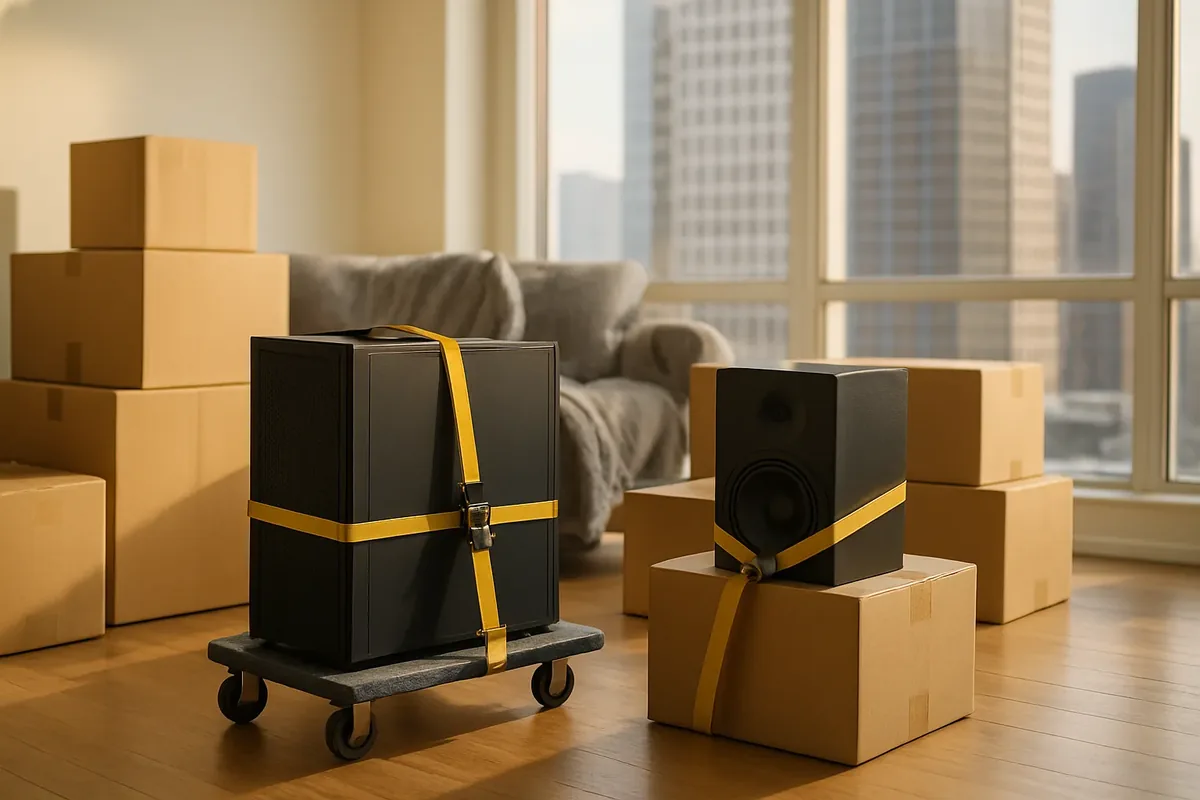
Commercial 10-to-26-foot rental moving trucks ride on stiff leaf-spring suspension built for 3,000-to-10,000-pound payloads. When lightly loaded—or when fragile electronics sit directly over the bouncy rear axle—the cargo deck amplifies highway expansion joints and city potholes into sharp vertical jolts. That vibration is why properly wrapped gaming PCs and studio monitors still fail during DIY moves when renters stack them haphazardly near the tailgate or crank aggressive metal ratchet straps straight over thin monitor cartons.
Loading a full creator or gaming workstation safely into a rental truck comes down to three fundamentals: using the right lifting gear on apartment stairs so nobody drops the heavy desk or subwoofer, placing high-value electronics in the lowest-vibration zone of the cargo box, and securing every rigid slab with quick-release cam-buckle lashing straps instead of over-tightened ratchets.
DIY Rental Truck vs. Full-Service Mover Cost Breakdown
Choosing a DIY rental truck with proper lifting harnesses and tie-downs yields massive savings on local studio and 1-bedroom apartment moves, while still leaving room in your budget for 2 hours of hired loading helpers ($170–$290) if you live in a 3rd- or 4th-floor walk-up.
| Cost Category | DIY Studio / 1-BR Rental Truck | DIY Truck + 2-Hr Loading Help | Full-Service Movers (2-Person Crew) |
|---|---|---|---|
| Truck Base + Local Mileage (12 mi) | $32–$58 (10–15 ft truck: $20–$40 base + $0.99–$1.49/mi) | $32–$58 (same local rental truck) | $75–$145 (mover transport & fuel fee) |
| Fuel (~10 MPG @ $3.55/gal) | $5–$10 (local round-trip & drop-off) | $5–$10 (local round-trip & drop-off) | Included in mover transport fee |
| Labor & Stair Carry | $0 (2-person self-carry with straps & 4-wheel dolly) | $170–$290 (2-hour loading crew for desk & heavy items) | $500–$1,225 (3–6 base hrs + 1 hr travel @ $125–$175/hr) |
| Walk-Up Stair Surcharge (2nd–3rd Floor) | $0 cash surcharge | Usually covered inside 2-hr labor block | $55–$190 flat fee + 0.5–1.75 extra labor hrs |
| Packing Materials Kit (Boxes, Pads, Tape) | $65–$160 (studio to 1-BR DIY kit) | $65–$160 (self-packed electronics & boxes) | $180–$520 (if mover-packed) or $65–$160 (self-packed) |
| Estimated Total Move Cost | $102–$228 (+ reusable straps & floor pads) | $272–$518 (+ reusable straps & floor pads) | $625–$1,515 (self-packed) / $740–$1,875 (mover-packed) |
Amazon US Apartment Moving Supplies
Recommended Moving Boxes, Blankets & Bags for This Move
Apartment moving supplies matched to this guide (Amazon.com affiliate ID: apartmentmovingcost-20).
Self-Stick Heavy-Duty Felt Furniture Floor Protector Pads (133-Piece Assortment)
High-density self-adhesive felt pads applied at move-in to prevent scratching your new apartment's hardwood floors
2-In-1 Dual-Mode Shoulder & Forearm Furniture Moving Straps with Sponge Pads
Convertible padded vest and forearm lifting strap kit with anti-slip gloves for two-person stair carries
Cam-Buckle Quick-Release Lashing Straps 1" x 12 ft for Rental Trucks (6-Pack)
Gentle cam-buckle tie-downs that hold antique wood furniture against truck walls without over-ratcheting damage
As an Amazon Associate I earn from qualifying purchases. Always verify live stock and pack sizing directly on Amazon.com.
The Three Essential DIY Moving Tools for a Gaming Workstation
Pairing the right mechanical advantage tools for stairs, truck walls, and new apartment flooring prevents both back strain and accidental drops.
- Convertible Lifting Straps (2-In-1 Dual-Mode Shoulder & Forearm Furniture Moving Straps with Sponge Pads): Rated to 600 pounds with a 9.8-foot adjustable strap and anti-slip gloves, dual-mode straps let two people switch seamlessly between forearm carry (for lifting a 120-pound standing desk frame or heavy studio rack across flat thresholds) and shoulder-harness mode (for keeping hands free on narrow walk-up staircases).
- Gentle Cam-Buckle Tie-Downs (Cam-Buckle Quick-Release Lashing Straps, 1" x 12 ft, 6-Pack): Rated at 900-lb break strength and 300-lb working load limit (WLL), cam-buckle straps rely on human pulling force rather than geared steel ratchets. That makes them vastly safer for securing butcher-block desktops, monitor cartons, and PC cases against wooden truck rails—you get rock-solid lateral tension without accidentally crushing cardboard walls or bowing desk trim.
- 4-Wheel Carpeted Dolly + Move-In Floor Pads (Self-Stick Heavy-Duty Felt Furniture Floor Protector Pads, 133-Piece Assortment): Roll stacked 48-ECT PC and studio monitor boxes across long apartment lobbies on a 4-wheel rubber-caster dolly rather than carrying awkward wide cartons by hand. Before setting your reassembled standing desk, studio speaker stands, and subwoofer onto your new apartment's hardwood or LVP floors, apply fresh heavy-duty industrial felt pads to every contact foot.
Step-by-Step Loading and Anchoring Sequence
Follow this exact tier-loading order so heavy items anchor your load wall first and fragile electronics ride cushioned and immobilized.
- Build a solid front bulkhead tier with heavy rectangular items. Load heavy dressers, sealed book boxes, and dense household cartons first against the front cab wall to establish a flat, stable base. Keep heavy weight low and evenly balanced left-to-right across the truck floor.
- Anchor the padded standing desk slab vertically against a side wall. Carry the blanket-wrapped 60-to-72-inch desktop up the ramp using your 2-in-1 lifting straps, stand it on its long padded edge flush against the truck's wooden rub rail, and lash it with two 1" x 12 ft cam-buckle straps hooked to upper and lower rail slats. Place a folded blanket between the desktop and any adjacent metal leg frame so powder-coated steel cannot scratch wood veneer.
- Sandwich upright monitor cartons between soft, flat buffers. Stand boxed gaming displays vertically on their bottom edge—never flat—tucked tightly between a mattress (sealed in a 5-mil mattress bag) and a cushioned sofa back, or strapped gently against the padded desk slab with a dedicated cam-buckle strap. Verify zero sharp corners point toward the screen face.
- Set the boxed gaming PC and studio monitors on a flat mid-tier. Place the 48-ECT boxed PC tower (oriented motherboard-side down if still holding an AIO block, or upright with arrows up) and boxed studio monitors on top of a flat, solid waist-high surface—such as a sturdy padded dresser top or flat wall of medium moving boxes—in the front half of the truck. Loop a cam-buckle strap loosely across the boxes to block forward or sideways sliding during hard braking.
- Drive defensively and apply felt floor pads before unloading inside. Keep highway speeds at 55–60 mph, double your braking distance, and take apartment driveway aprons at a slow angle so the truck doesn't rock sideways. At the new apartment, stick fresh felt protector pads onto desk feet and speaker stands before sliding furniture into position.
Rental Truck Size Selection and Long-Distance Fuel Planning
Don't cram a fragile gaming workstation into an overstuffed cargo van where you are forced to wedge monitors at awkward angles. Use standard US apartment cubic-footage benchmarks to pick the right deck length: a studio apartment (250 cu ft, 2,000 lbs) fits comfortably in a 10-foot box truck, a 1-bedroom apartment (420 cu ft, 3,200 lbs) needs a 12-to-15-foot truck, and a 2-bedroom apartment (680 cu ft, 5,400 lbs) calls for a 15-to-20-foot truck.
On intrastate or interstate DIY moves (160 to 1,800 miles), factor in one-way mileage rates ($0.78–$1.58/mi depending on truck size) plus fuel at roughly 10 MPG ($3.55/gal national benchmark—about $213 in fuel for a 600-mile regional move). If your move spans an overnight stop, always back the rental truck's rear door tightly against a solid concrete wall or streetlight-lit hotel perimeter and secure the latch with a shrouded stainless disc lock.
Want to see whether renting a truck yourself, adding 2-hour loading help, or booking full-service movers wins for your exact mileage and apartment floor? Run your numbers in the Movers vs. DIY Rental Truck Comparator or Apartment Moving Cost Calculator.
Open Calculator →Frequently Asked Questions
Should a boxed gaming PC ride upright or flat on its side inside a rental moving truck?+
If you already unbolted the GPU and heavy tower air cooler, the boxed PC can safely ride upright following the carton's orientation arrows—especially if it sits inside molded factory foam. If a heavy cooler or GPU remains installed (not recommended), lay the boxed tower completely flat with the motherboard side facing down so vertical potholes push components into the socket rather than shearing them sideways.
Why are cam-buckle straps better than heavy ratchet straps for moving desks and electronics?+
Geared steel ratchet straps generate hundreds of pounds of mechanical leverage with a single extra click, easily crushing double-wall monitor cartons, cracking hollow-core desktops, or snapping wooden truck rub rails. Quick-release cam-buckle straps (300-lb working load limit) tighten strictly to hand-pull tension, holding padded desks and PC boxes firm without crush damage.
Can two people carry a 130-pound motorized standing desk down a 3rd-floor walk-up with lifting straps?+
Only after unbolting the desktop from the steel leg base. Removing 8 to 12 wood screws splits a 130-pound awkward desk into a 55-pound flat slab and a 75-pound compact frame, making both pieces safe to carry down narrow walk-up turns with 600-lb dual-mode straps while protecting hallway drywall.
Should I rent a furniture dolly from the truck rental counter or buy my own 4-wheel dolly?+
Truck rental counters typically rent a two-wheel utility dolly or 4-wheel furniture dolly for $7–$15 per local day, which is great for one-off local moves. If you are making an interstate one-way move (3–5 days) or plan to move apartments again within two years, owning your own 4-wheel carpeted dolly and 600-lb straps pays for itself quickly.
Does rental truck damage waiver insurance cover my gaming PC and studio monitors?+
No. Standard rental truck protection plans cover damage to the rental vehicle itself, not your personal cargo inside. Check your existing renters insurance policy—many US renters policies include off-premises 'personal property in transit' coverage for theft or fire (subject to your deductible), though accidental breakage from poor packing is rarely covered.
Interactive US Moving Tools
Compare Full-Service Movers vs. DIY Rental Truck in 30 seconds
Related Guides
furniture and appliance moving costs
Furniture & Specialty Item Moving Costs: Complete US Benchmarks & Guides
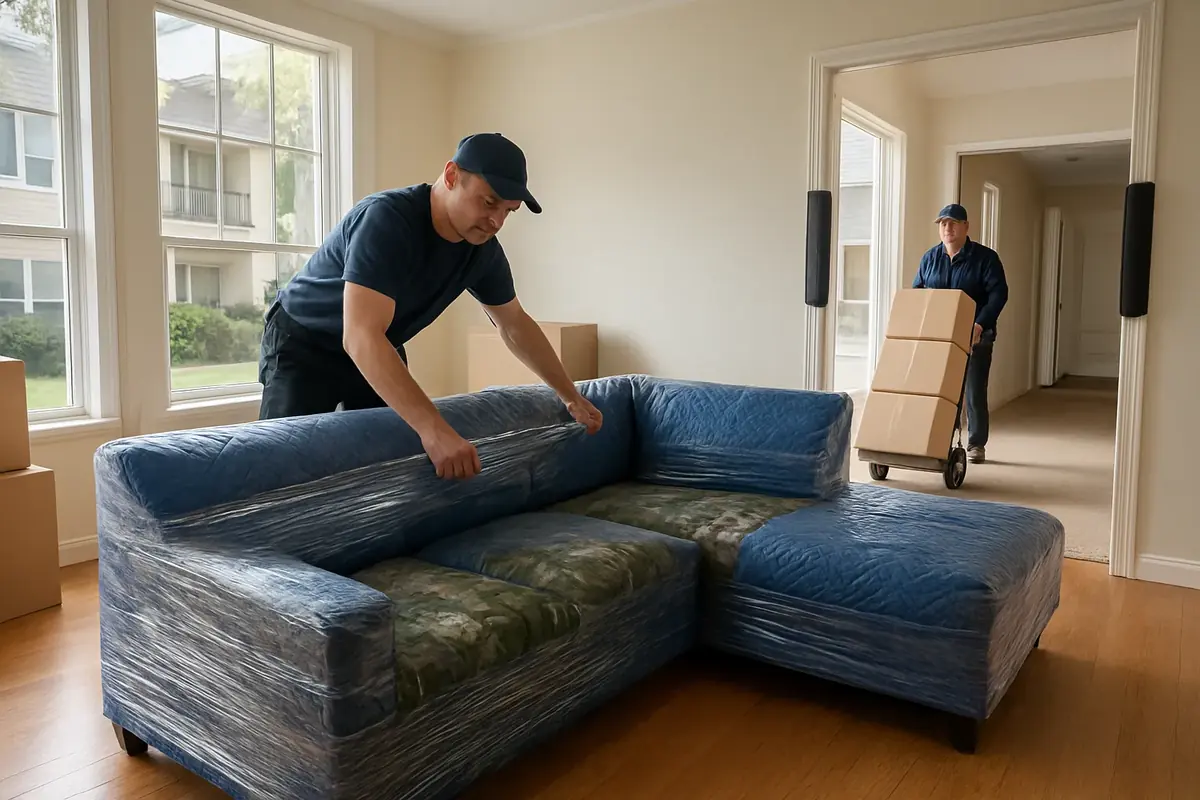
Moving oversized apartment furniture and heavy appliances—from L-shaped sectionals and King adjustable beds to Peloton bikes, glass dining tables, OLED TVs, and stacked washer-dryers—adds $60 to $340+ in specialized disassembly, stair-carry labor, and protective crating fees. This pillar guide benchmarks US mover hourly rates, flat bulky-item add-ons, doorway clearance tactics, and DIY truck padding specs.
furniture and appliance moving costs
What an Antique Heirloom Wood Buffet, Sideboard & Hutch Adds to Your Moving Quote
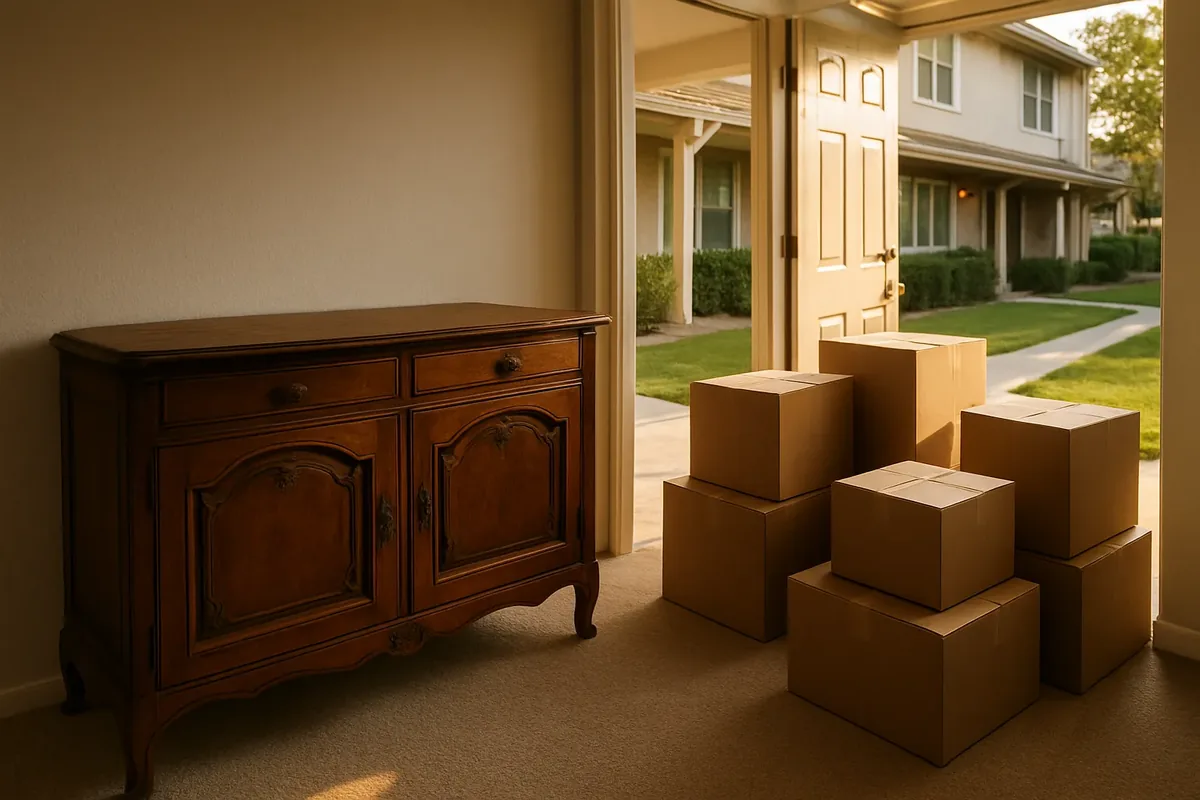
See the exact billable crew minutes, bulky-item fees, and single-item delivery rates an antique veneer sideboard and heirloom hutch add to a US apartment move. Compare full-service white-glove quotes against DIY rental truck budgets before booking.
furniture and appliance moving costs
When to Disassemble an Antique Heirloom Wood Buffet & Sideboard Before Movers Arrive
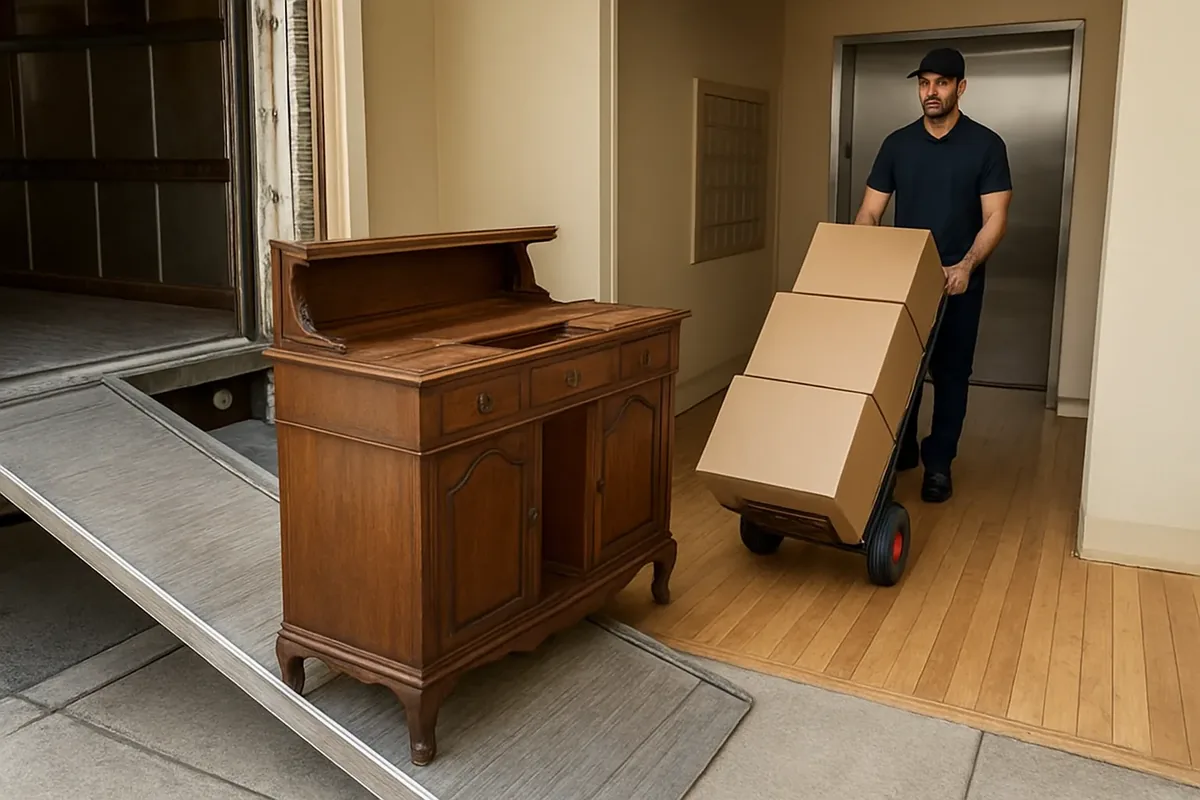
Master diagonal doorway math, elevator cab clearance checks, and safe antique disassembly rules before moving day. Knowing which hutch brackets, mirrors, and legs to unbolt prevents crushed veneers and saves 30–60 minutes of hourly crew labor.
furniture and appliance moving costs
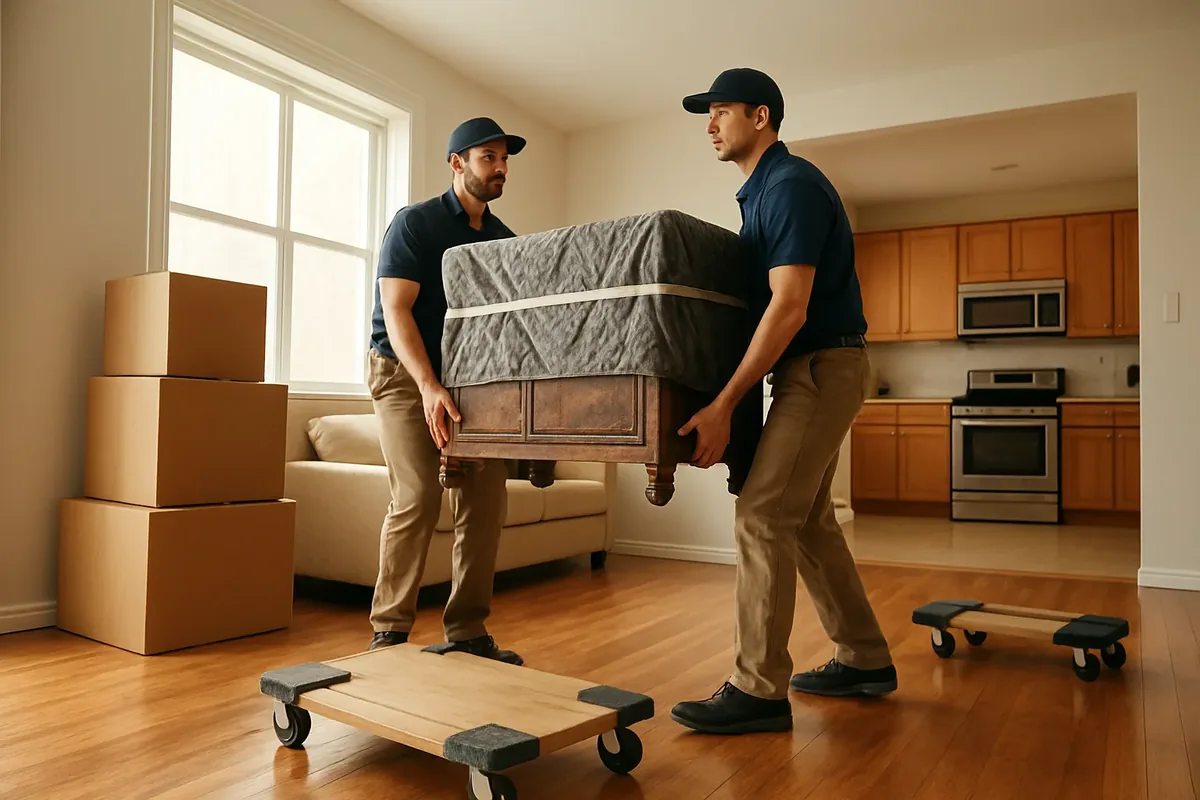
Protective Packaging & Corner Guard Rules for an Antique Heirloom Wood Buffet & Sideboard
Protect century-old veneers, French-polish finishes, and leaded hutch glass with exact moving blanket counts, corner-guard layering, and breathable stretch-wrap rules. Avoid moisture blushing and save $115–$360 versus mover-packed material markups.