In this guide
- Why a 2-Hour Loading Dock Clock Triggers Expensive Deposit Deductions
- High-Speed Protection Gear Specs: Covers, Stretch Film & Carton Grades
- Pre-Staging Budget vs. Deposit Savings by Apartment Size
- Step-by-Step Wall, Doorway & Furniture Prep Before the 2-Hour Clock Starts
- Common Dock-Day Habits That Still Ruin Security Deposits (and How to Prevent Them)
Why a 2-Hour Loading Dock Clock Triggers Expensive Deposit Deductions
High-rise property managers inspect service corridors, elevator door frames, and loading dock aprons immediately after your 2-hour slot closes. Because crews and DIY movers feel intense pressure to roll every cart off the bay before minute 120, 85% of move-out damage happens in three tight pinch points: your unit's 30-to-34-inch apartment door jamb, 90-degree corridor turns into the freight elevator lobby, and the metal threshold where wheeled dollies cross onto the concrete loading dock plate.
Landlord repair invoices in managed high-rises escalate quickly: $150–$350 to mud and repaint crushed drywall corner beads, $125–$300 for scuffed hallway baseboards, $200–$500 for gouged stainless steel elevator frames, and $250–$650+ to replace stained upholstery soaked in diesel grime on a shared dock bay. Even worse, if you wait until your $130–$235/hr moving crew enters the loading dock to start wrapping dressers and bagging couches, they burn 30 to 50 minutes of your 120-minute window on basic prep—costing you $65–$235 in extra hourly labor on top of dock overtime risk.
High-Speed Protection Gear Specs: Covers, Stretch Film & Carton Grades
On an unhurried ground-floor move, light drop cloths might survive a gentle lift. On a 120-minute high-rise shuttle involving fast steel carts, freight doors, and oil-stained concrete dock floors, physical material specs determine whether a surface tears or holds:
| Protection Material & Spec | Measured Physical Rating | Exact Role During a 2-Hour Dock Cutoff | Damage & Fine Risk Avoided |
|---|---|---|---|
| Uboxes Clear Sofa & Couch Moving Protection Bag | 4.0-mil virgin poly | 144" x 46" (fits up to 96" sofa) | Shields light fabric, linen, and velvet couches from wet dock aprons, grease, and elevator door rub | Upholstery tear or black tire-grime stains ($250–$750 cleaning/replacement) |
| PSBM 80-Gauge Industrial Stretch Wrap (with Rolling Handles) | 80-gauge cast film | 15" x 1000 ft (2,000 ft total) | Rapidly locks quilted blankets onto dressers and seals dresser drawers shut in 45 seconds per piece | Flapping pads catching door latches and drawers sliding open on carts ($150–$350) |
| BOMEI PACK 90-Gauge Black Opaque Stretch Wrap | 90-gauge privacy black | 15" x 1000 ft (2-pack) | Conceals desktop PCs, gaming monitors, and audio gear when stacked on busy shared loading docks | Puncture scuffs and opportunistic dock theft during unattended cart relays |
| Quilted Moving Blankets vs. Economy Non-Woven Pads | 72" x 80" | 65–85 lb/doz quilted vs. 35 lb/doz non-woven | 65–85 lb/doz pads absorb hard metal elevator door impacts; 35 lb/doz pads line light storage stacks | Crushed solid-wood corners & gouged stainless elevator cab jambs ($200–$500) |
| Mattress Bag + Tarp-Style Webbing Carry Slings | 5.0-mil to 6.0-mil vented poly + 200 lb carry straps | Prevents seam blowouts when tilting queen/king mattresses across dock leveler lips | 1.5-mil bag splits ruining mattress ticking on concrete dock bays ($200–$600) |
| Single-Wall vs. Double-Wall Corrugated Boxes | 32-ECT (linens/clothing) vs. 44–48-ECT (books/dishes) | Prevents bottom carton collapse when stacked 4–5 high on high-speed push platform carts | Collapsed box stacks spilling ceramics into elevator tracks ($100–$300) |
Amazon US Apartment Moving Supplies
Recommended Moving Boxes, Blankets & Bags for This Move
Apartment moving supplies matched to this guide (Amazon.com affiliate ID: apartmentmovingcost-20).
Heavy-Duty Clear 4-Mil Sofa & Couch Moving Protection Bag (Fits up to 96" Couch)
144"x46" slip-on clear 4-mil poly cover keeping upholstered fabric sofas clean inside rental trucks
80-Gauge Industrial Stretch Wrap Moving Film 15" x 1000 ft with Rolling Handles (2-Pack)
2,000 total feet of puncture-resistant 80-gauge self-clinging wrap with spinning ergonomic hand rollers
90-Gauge Black Opaque Heavy-Duty Stretch Wrap Film 15" x 1000 ft (2-Pack)
Opaque black 90-gauge stretch film concealing electronics and valuables during shared-elevator or storage moves
As an Amazon Associate I earn from qualifying purchases. Always verify live stock and pack sizing directly on Amazon.com.
Pre-Staging Budget vs. Deposit Savings by Apartment Size
Using national US benchmark material quantities—6 blankets for a studio, 12 for a 1-bedroom, and 18 for a 2-bedroom alongside boxes, tape, and mattress covers—here is how investing in a DIY prep kit before the clock starts compares against paying movers to wrap everything on-site:
| Apartment Size | DIY Protection & Box Kit Cost | Mover-Supplied Packing & Wrapping Cost | Dock Minutes Saved via Pre-Wrapping | Hourly Mover Labor Saved ($125–$235/hr) |
|---|---|---|---|---|
| Studio (250 cu ft | 6 blankets, 1 mattress bag) | $65 – $110 | $180 – $320 | 20 – 30 minutes | $45 – $85 (2 movers) |
| 1-Bedroom (420 cu ft | 12 blankets, 1 mattress bag) | $95 – $160 | $290 – $520 | 30 – 45 minutes | $65 – $130 (2 movers) |
| 2-Bedroom (680 cu ft | 18 blankets, 2 mattress bags) | $145 – $235 | $460 – $820 | 40 – 55 minutes | $115 – $235 (3 movers) |
Step-by-Step Wall, Doorway & Furniture Prep Before the 2-Hour Clock Starts
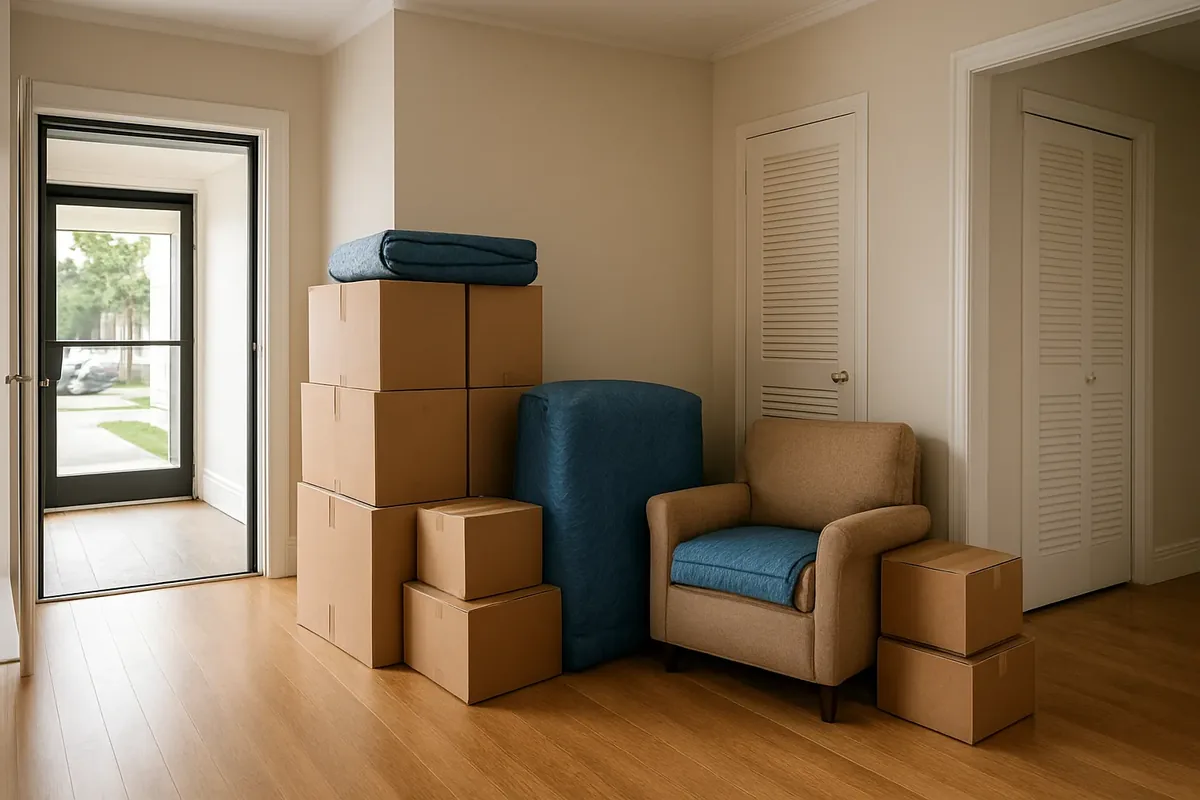
Complete every item below 24 to 48 hours before your reserved loading dock window opens so the moment management unlocks the freight elevator, your team moves straight into rolling shuttles:
- Measure door diagonals, elevator cab depth, and dock plate drops. Measure your narrowest interior door frame (typically 28–32 in), your entry door opening, and the freight elevator cab diagonal height. Unscrew 4-inch sofa legs and pull apartment door hinge pins ahead of time so bulky couches never jam mid-cutoff.
- Armor drywall corners, entry jambs, and hallway flooring. Fold flattened 32-ECT cardboard strips into 90-degree angles over exposed corridor drywall corners and secure them exclusively with blue painter's tape. Confirm building engineering has hung quilted elevator cab pads inside the service car before loading starts.
- Bag upholstered sofas and wrap dressers in 80-gauge film. Slide fabric couches into a 144" x 46" 4.0-mil clear sofa cover and tape the open end shut. Wrap wood dressers in 65–85 lb/doz quilted blankets cinched tight with 80-gauge rolling-handle stretch wrap so handles never snag on door strikes.
- Pair 5-mil mattress bags with webbing carry handles—never pinch thin plastic. Seal each mattress inside a heavy 5-mil vented poly bag and slide two tarp-style webbing carry slings underneath. Lifting from pinched plastic corners rips seams immediately when maneuvering over metal loading dock plates.
- Conceal electronics in 90-gauge black opaque stretch wrap. Before placing boxed TVs, monitors, or desktop towers onto open carts that wait on shared high-rise loading docks, wrap the padded cartons in 90-gauge black opaque stretch film so high-value gear stays invisible and dry.
- Stage rolling columns inside your unit—keep common corridors clear. Cluster sealed 32-ECT and 44–48-ECT cartons by weight inside your foyer, leaving the public hallway 100% unobstructed until your crew wheels each batch directly into the freight car.
Common Dock-Day Habits That Still Ruin Security Deposits (and How to Prevent Them)
Even well-wrapped furniture can leave expensive claims behind if you overlook three quick dock-day checks:
- Wipe rubber dolly wheels before entering carpeted halls: Dark polyurethane and black pneumatic casters pick up loading dock oil and transfer permanent black tire streaks across light hallway carpet—use 4-inch non-marking swivel wheels and keep rags at the freight door.
- Never lean wrapped headboards directly against bare corridor drywall: Even through a blanket, sharp metal bed-frame brackets pressed sideways into hollow sheetrock dent gypsum board—rest heavy frames flat on carpeted dollies or against sturdy door mullions.
- Take timestamped hallway and elevator photos at minute 0 and minute 120: Photograph your apartment entry, elevator jambs, and loading dock bay before rolling the first cart and right after lockup so preexisting dings from prior tenants are never billed to your deposit.
Estimate your apartment's exact packing kit, freight elevator time, and mover vs. DIY cost in the Apartment Moving Cost Calculator or Movers vs. DIY Rental Truck Comparator.
Open Calculator →Frequently Asked Questions
What moving blanket density should I use for high-rise freight elevators and loading docks?+
Use heavy 72" x 80" quilted blankets rated at 65 to 85 lbs per dozen for dressers, solid-wood tables, and furniture sliding past metal elevator doors, reserving 35 lb/doz economy non-woven textile pads strictly for light storage layering. Budget 6 blankets for a studio, 12 for a 1-bedroom, and 18 for a 2-bedroom.
Why do cheap mattress bags fail on loading docks, and what tarp-handle setup works better?+
Thin 1.5-to-2-mil plastic bags tear the moment they brush concrete dock lips or metal freight-elevator door tracks. Use a heavy 5-mil vented mattress bag and thread two adjustable webbing carry slings (tarp-style handles) underneath the wrapped mattress rather than pulling on thin poly film.
When should I pick 80-gauge clear wrap vs. 90-gauge black opaque stretch wrap?+
Use 80-gauge clear cast stretch film with spinning rolling handles to rapidly immobilize blankets and dresser drawers so you can inspect corners at a glance. Choose thicker 90-gauge black opaque film when moving desktop PCs, monitors, or boxed valuables that sit briefly unattended on a shared high-rise loading dock.
Do I need 32-ECT or 48-ECT boxes when stacking cartons on fast platform carts?+
Standard 32-ECT single-wall boxes safely hold clothing, bedding, and light kitchenware on the top tiers of a cart. For heavy books, dishes, and dense pantry jars stacked on bottom cart layers during high-speed dock runs, upgrade to 44-ECT or 48-ECT double-wall cartons so corners never buckle under weight.
Does pre-wrapping furniture really save money if I hire COI-insured movers?+
Yes. Because local movers bill $125–$235/hr on top of their mandatory 1.0-hour travel fee and $45–$95 freight-elevator surcharge, having beds unbolted, sofas bagged in 4-mil poly, and dressers blanket-wrapped before the crew arrives shaves 30 to 55 minutes off the clock ($65–$235 saved) and helps beat the 2-hour dock cutoff.
Interactive US Moving Tools
Compare Full-Service Movers vs. DIY Rental Truck in 30 seconds
Related Guides
walk up stairs and elevator moving costs
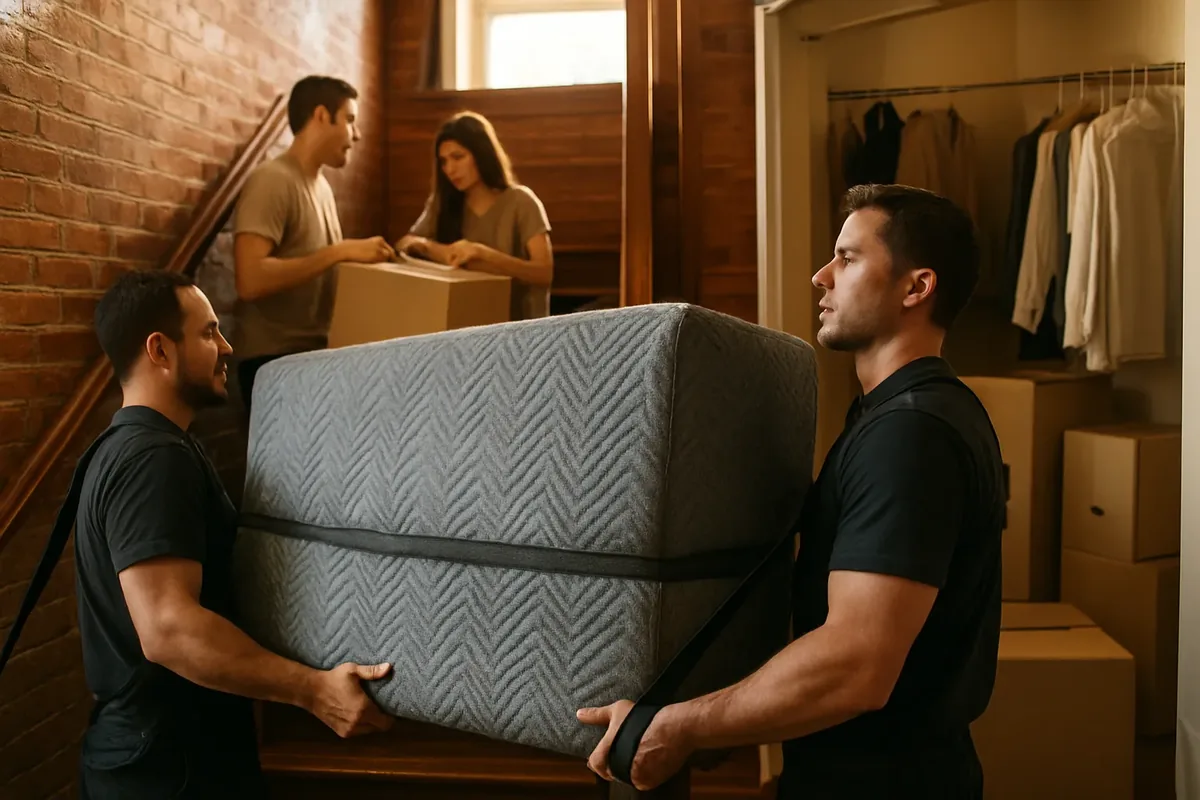
Walk-Up Stairs & Elevator Moving Costs: Complete US Benchmarks & Guides
Walk-up staircases, shared passenger elevators, and long-carry podium corridors routinely add $110 to $1,045 to a US apartment moving invoice through combined extra crew hours and flat tariff surcharges. This hub breaks down exact 2nd-to-5th-floor carry penalties, freight elevator booking rules, shuttle truck triggers, and the strapping gear that saves hours on moving day.
walk up stairs and elevator moving costs
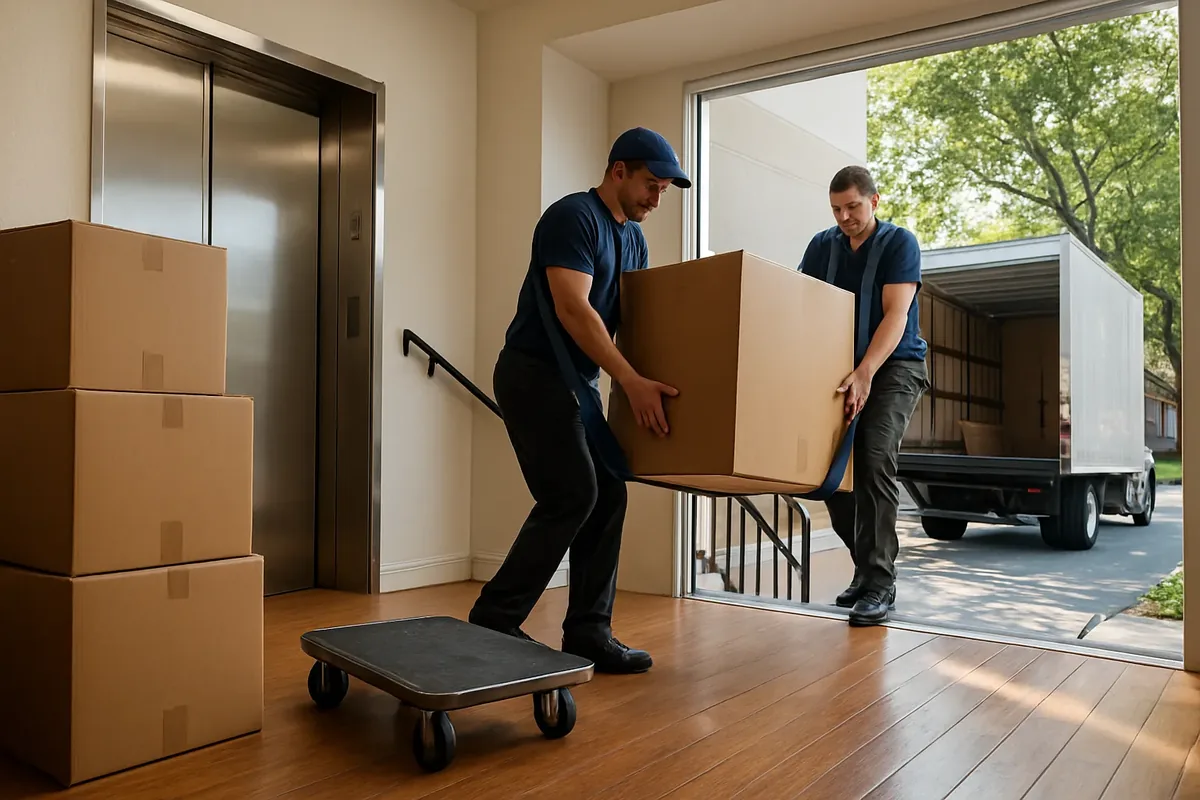
2nd-Floor Walk-Up (1 Flight of Stairs) Moving Cost: Per-Flight & Hourly Surcharges
A single 12-to-16-step flight on a 2nd-floor walk-up apartment adds $118 to $390 to a local full-service move depending on crew size and tariff structure. Learn how US movers split flat per-flight stair fees ($55–$95) from extra hourly carry labor.
walk up stairs and elevator moving costs
Studio & 1-Bedroom Time Added by 2nd-Floor Walk-Up (1 Flight of Stairs)
A single 12-to-16-step staircase adds 30 to 45 extra minutes on a studio apartment and 35 to 60 minutes on a 1-bedroom apartment—translating to $118 to $270 in added stair labor and flat flight fees. See exact trip-by-trip timing breakdowns and how to trim a full hour off your crew bill.
walk up stairs and elevator moving costs
2-Bedroom & 3-Bedroom Crew Sizing for 2nd-Floor Walk-Up (1 Flight of Stairs)
Trying to save money by booking 2 movers for a 2-bedroom 2nd-floor walk-up usually backfires as stair fatigue pushes shifts past 9 hours. See why upgrading to a 3-mover crew ($175–$235/hr) for a 2-bedroom or a 4-mover crew ($220–$295/hr) for a 3-bedroom cuts billable hours and keeps total costs nearly flat.