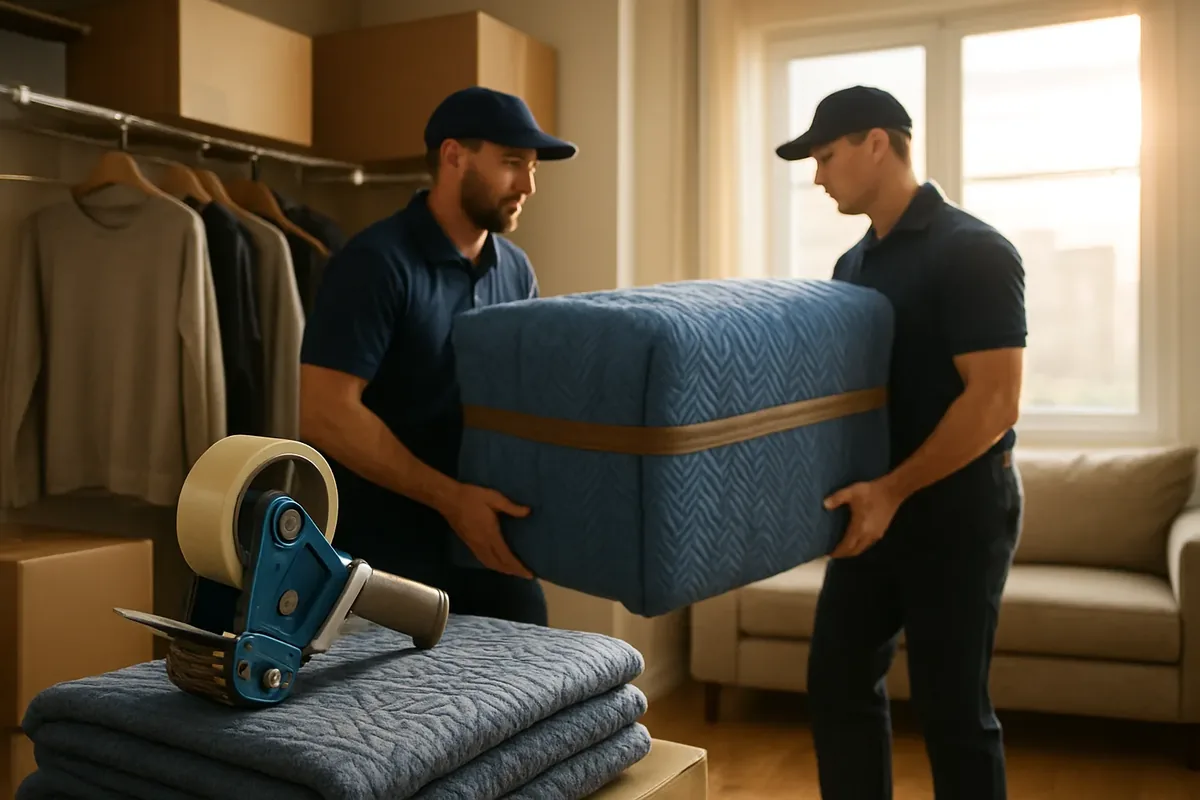
In this guide
- Why Balcony Closets and Outdoor Gear Should Be Packed First
- Realistic Packing Hours: Solo Renter vs. Two People vs. Pro Crew
- 14-Day Pre-Move Countdown Schedule for Balcony, Tools & Sports Gear
- Speed-Multiplier Gear for Solo and Two-Person Packing Sessions
- Protecting Your Move-Out Timeline From Building Access Bottlenecks
Why Balcony Closets and Outdoor Gear Should Be Packed First
Renters routinely postpone balcony storage closets until the final 48 hours before lease handoff, assuming a few shelves of tools and outdoor gear will take thirty minutes to clear. In practice, balcony and sporting zones carry the highest friction-per-square-foot in an apartment: dirty bike chains need wiping, damp patio cushions need air-drying to avoid mildew inside sealed bags, camp stove fuel canisters must be purged or given away, and patio furniture bolts require bagging.
Because you do not need camping tents, ski boots, power saws, or balcony planters during the final two weeks of your lease, packing this zone first removes 50–90 cu ft of clutter right away. Better yet, finishing outdoor gear early prevents a frantic moving-day scramble that routinely adds 1.0–1.5 hours of unbudgeted labor at $130–$175/hr (2-mover crew) or $175–$235/hr (3-mover crew).
Realistic Packing Hours: Solo Renter vs. Two People vs. Pro Crew
The time table below benchmarks actual hands-on packing hours—including wiping down outdoor dust, disassembling compact patio tables, wrapping sharp gear, and taping cartons—across four US apartment profiles. Note that pro crew hours reflect packing labor only and exclude the standard 1-hour travel fee ($125–$235) if movers dispatch on a separate pre-pack day.
| Apartment Profile (Gear Volume) | 1 Solo Renter (DIY) | 2 People Together (DIY) | Pro Moving Crew (2–3 Packers) | Implied Pro Packing Labor (Excl. Materials) |
|---|---|---|---|---|
| Studio Light Gear (25–40 cu ft / 180 lbs) | 2.0–3.0 hrs | 1.25–1.75 hrs | 0.5–0.75 hrs (2 movers) | $65–$125 (at $125–$165/hr) |
| 1-Bedroom Standard (45–65 cu ft / 340 lbs) | 3.5–5.0 hrs | 2.0–3.0 hrs | 0.75–1.25 hrs (2 movers) | $100–$220 (at $130–$175/hr) |
| 2-Bedroom Active Outdoor (70–95 cu ft / 520 lbs) | 5.0–7.0 hrs | 2.75–4.0 hrs | 1.0–1.5 hrs (3 movers) | $175–$355 (at $175–$235/hr) |
| 3-Bedroom Full Gear + Gym (100–140 cu ft / 780 lbs) | 7.0–9.5 hrs | 4.0–5.5 hrs | 1.5–2.25 hrs (4 movers) | $330–$665 (at $220–$295/hr) |
Amazon US Apartment Moving Supplies
Recommended Moving Boxes, Blankets & Bags for This Move
Apartment moving supplies matched to this guide (Amazon.com affiliate ID: apartmentmovingcost-20).
VENO Heavy-Duty Zippered Moving Bags with Backpack Straps (10-Pack Blue)
Water-resistant woven polypropylene oversized moving totes replacing cardboard for clothes and bedding
Scotch Heavy Duty Packaging Tape with Individual Red Dispensers (6-Pack)
Six 22.2-yard rolls each pre-loaded on a handheld fall-back-tab dispenser for multi-person packing
Gorilla Tough & Wide 2.83-Inch Heavy-Duty Moving & Packing Tape (2-Pack)
Extra-wide 2.83-inch crystal-clear 3.4-mil packing tape sealing entire box seams in one pass
As an Amazon Associate I earn from qualifying purchases. Always verify live stock and pack sizing directly on Amazon.com.
14-Day Pre-Move Countdown Schedule for Balcony, Tools & Sports Gear
Breaking outdoor packing into five short sessions over two weeks keeps your living room navigable while ensuring zero hazardous items, wet textiles, or unboxed tools remain when your loading window opens.
- Day -14: Purge DOT-Prohibited Fuels, Paints, and Pressurized Gear. Audit your balcony closet for propane grill cylinders, camp stove isobutane canisters, charcoal lighter fluid, spray lubricants, wet paint cans, and lithium-ion tool battery packs. Moving trucks legally refuse flammables; donate usable fuel locally, drain gas lawn or patio tools dry, and set aside lithium batteries to carry in your climate-controlled personal vehicle.
- Day -10: Wash, Dry, and Bag Soft Camping and Patio Textiles. Shake out tents, wash mud off rain flies, and air-dry balcony chair cushions for 24 hours. Load completely dry sleeping bags, tarps, ski pants, hammocks, and life vests into heavy-duty zippered moving totes so they stay moisture-protected without consuming rigid cardboard boxes.
- Day -7: Box Secondary Tools, Hardware, and Off-Season Sports Gear. Pack wrenches, power sanders, climbing gear, hiking boots, helmets, and camp cookware into 48-ECT double-wall cartons capped under 45 lbs. Leave out one 'last-day tool pouch' containing a screwdriver set, Allen keys, adjustable wrench, utility knife, and tape gun for bed and balcony table disassembly.
- Day -3: Disassemble Balcony Bistro Sets, Shelving, and Bike Racks. Break down metal patio tables, freestanding storage racks, and detachable bicycle pedals or front wheels. Bag every bolt and washer in labeled zip pouches taped directly to the frame, and wrap protruding metal ends in folded corrugated scraps or bubble wrap.
- Day -1: Stage Sealed Boxes Near the Entry & Verify Elevator/COI Paperwork. Stack sealed tool and sporting boxes three-high in a dedicated hallway staging lane clear of the front door swing. Confirm your building's Certificate of Insurance (COI) approval and reserved freight elevator hours so crews roll dollies straight out on arrival.
Speed-Multiplier Gear for Solo and Two-Person Packing Sessions
When two roommates or partners split a weekend packing session, passing one tape gun back and forth across rooms wastes 20% of your working window. Pairing multi-person handheld dispensers with soft zippered totes and extra-wide structural tape shaves 1.5–2.5 hours off a typical 2-bedroom outdoor pack-out.
- Zippered Backpack Totes for Walk-Up Soft Gear: VENO Heavy-Duty Zippered Moving Bags with Backpack Straps (10-pack blue, 24 gal per bag, 50 lb rated woven polypropylene) swallow bulky sleeping bags, puffy outdoor jackets, patio seat cushions, and gym towels in minutes—and let you carry lightweight loads hands-free down 2nd- or 3rd-floor walk-up stairs.
- Individual Dispensers for Parallel Two-Person Packing: Scotch Heavy Duty Packaging Tape with Individual Red Dispensers (6-pack, 1.88 in x 22.2 yd rolls, 3.0-mil adhesive with fall-back tabs) lets one person seal medium helmets and footwear cartons on the balcony while a second person wraps camping cookware indoors without waiting for a shared tape gun.
- Single-Pass Wide Tape for Heavy Tool Cartons: Gorilla Tough & Wide 2.83-Inch Heavy-Duty Moving & Packing Tape (2-pack, 2.83 in x 30 yd, 3.4-mil extra-wide film) locks high-density double-wall boxes in one swift strip across the bottom and top seams, eliminating time-consuming multi-strip reinforcement.
Protecting Your Move-Out Timeline From Building Access Bottlenecks
Even a perfectly timed 14-day packing countdown can stall if your building access plan does not match your load volume. In high-rise apartments with shared passenger elevators (no dedicated reservation), moving crews lose 1.0–1.75 extra hours waiting for resident cabs—adding $85–$175 in surcharges plus hourly labor. In 3rd- to 5th-floor walk-ups, carrying dense toolboxes and sporting totes down two to four flights adds 1.0–3.0 hours and $110–$340 in stair fees.
To keep loading-day hours tight, move soft VENO polypropylene totes and your last-day tool bag in your personal car the evening before the truck arrives whenever feasible. Removing even 6–8 bulky bags and two bicycles from the moving crew's manifest can trim 30–45 minutes off a local hourly bill—saving $75–$160 on a 2- or 3-mover dispatch.
Map out your exact crew hours, stair or elevator access fees, and truck budget before moving week. Run your apartment details in our Apartment Moving Cost Calculator or compare hiring pros against a rental truck in our Movers vs. DIY Rental Truck Comparator.
Open Calculator →Frequently Asked Questions
How many days before moving should I pack my apartment balcony closet and camping gear?+
Start 10 to 14 days before moving day. Balcony storage, seasonal sporting goods, and camping equipment are rarely needed during your final two weeks in the apartment, and starting early gives you time to air-dry cushions, scrub dirt off gear, and safely dispose of prohibited propane or butane fuel canisters.
Can movers transport my propane grill tank or camp stove fuel canisters?+
No. Federal DOT and FMCSA hazardous-materials rules prohibit licensed moving carriers from transporting pressurized propane cylinders, camp stove fuel, gasoline, charcoal lighter fluid, or aerosol cans inside moving vans. Empty tanks must be purged and certified by a propane dealer, or you should give them away locally before moving.
Are zippered woven polypropylene moving bags allowed on full-service moving trucks?+
Most local movers accept heavy-duty 50-lb-rated zippered polypropylene totes for soft goods like sleeping bags, jackets, and cushions because they stack well on the top tier of the truck. For interstate long-distance moves, confirm with your van line first—some carriers require rigid corrugated boxes for full-value valuation coverage.
How much time does a walk-up building add when moving heavy tools and sporting gear?+
Across national apartment benchmarks, a 2nd-floor walk-up adds 0.5–1.0 hours ($55–$95 flat surcharge), a 3rd-floor walk-up adds 1.0–1.75 hours ($110–$190), and a 4th- or 5th-floor walk-up adds 1.75–3.0 hours ($185–$340). Keeping toolboxes under 45 lbs and pre-staging totes near the door helps keep you on the lower end of those hour ranges.
What is the 1-hour travel fee and California Double Drive Time (DDT) rule?+
Most US local movers add a 1-hour travel fee to cover truck dispatch from their warehouse to your origin and back from your destination. In California, state tariff rules require Double Drive Time (DDT), meaning the driving time between your old and new apartment is doubled on your hourly bill—making early packing and zero loading delays even more critical.
Interactive US Moving Tools
Compare Full-Service Movers vs. DIY Rental Truck in 30 seconds
Related Guides
packing labor and material cost guides
Packing Service & Supply Cost Calculators: Complete US Benchmarks & Guides
Comparing full-service mover packing rates against buying your own boxes, tape, clean newsprint, bubble wrap, blankets, and mattress bags reveals savings of $115 to $1,140+ depending on apartment size. This pillar hub breaks down exact box counts, crew packing hours, fragile-only kitchen packages, and 32-ECT corrugated material specs from studio to 4-bedroom apartments.
packing labor and material cost guides
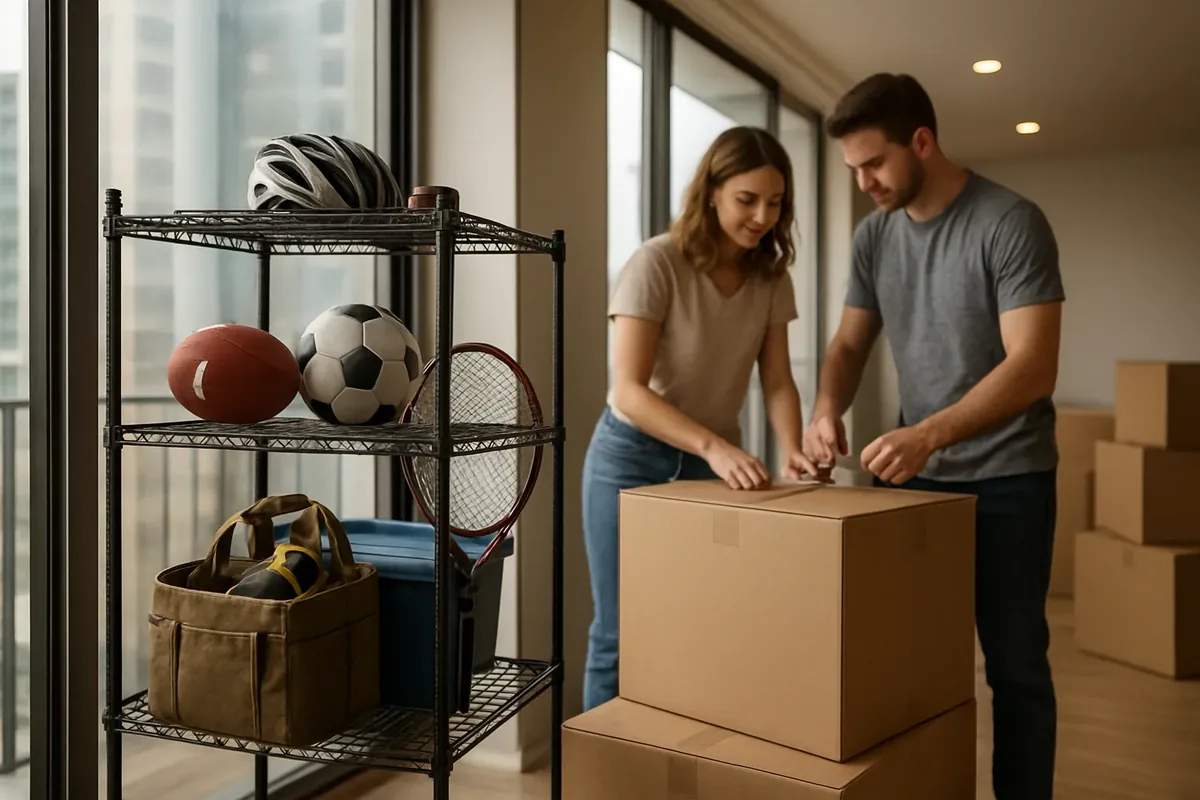
How to Seal, Color-Code & Stack Boxes for Balcony Closet, Camping & Sports Gear
Apply mover-grade H-taping, 2-inch perimeter cushioning, vertical stacking for camp plates and ceramic pots, and color-coded zone labeling to balcony closets, power tools, and sporting gear. Protect fragile outdoor equipment and cut hourly unloading delays at your new apartment.
packing labor and material cost guides
What Moving Companies Bill to Pack Fragile-Only Partial Packing (Kitchen + Art)
Break down exactly what US moving companies bill in hourly packer labor, travel minimums, and per-carton material markups for fragile-only partial packing of apartment kitchens, stemware, mirrors, and framed art. Learn how carrier valuation rules affect whether partial packing pays for itself.

packing labor and material cost guides
Cutting Packing Costs by 65% on Fragile-Only Partial Packing (Kitchen + Art)
See how apartment renters slash fragile-only kitchen and art packing material costs by 60%–68% by buying double-wall dish packs, mirror cartons, newsprint, tape guns, and color-coded labels online instead of paying mover truck-stock rates. Includes full-move savings math and hybrid PBO liability guidance.