
In this guide
- How Moving Tariffs Define Apartment Accessorials
- National Tariff Benchmarks: Stairs, Elevators & Long Carry
- Decoding the Exact Trigger Language in Stair, Long-Carry & Elevator Clauses
- How Pre-Staging Cuts Elevator and Walk-Up Billable Hours
- Step-by-Step Guide to Auditing Accessorial Clauses Before Move Day
- When Accessorial Tariffs Tip the Math Toward a DIY Rental Truck
How Moving Tariffs Define Apartment Accessorials
In the US moving industry, a carrier's tariff is the published schedule of rates, rules, and accessorial charges governing every service beyond standard curb-to-ground-floor loading. Federal interstate movers must maintain an official tariff available for shipper inspection under 49 CFR Part 375 and 49 USC 13702, while intrastate local movers operate under state-filed tariffs or standardized contract rate sheets.
Apartment renters hit tariff fine print far more often than suburban homeowners because multi-family buildings rarely allow a 26-foot moving truck to back directly up to a ground-level front door. Stairs, narrow brownstone stoops, long courtyard walkways, loading-dock check-ins, and shared passenger elevators all trigger specific tariff clauses that either add flat surcharges, extend hourly billing clocks, or both.
National Tariff Benchmarks: Stairs, Elevators & Long Carry
The benchmark table below breaks down how US apartment moving carriers price each building-access condition—showing both the extra crew labor hours accrued on local hourly moves and the flat tariff surcharges applied on flat-rate or interstate shipments:
| Building Access Condition | Typical Tariff Trigger Rule | Extra Crew Hours (Local Hourly) | Flat Tariff Surcharge Range | Operational Impact on Move Day |
|---|---|---|---|---|
| Ground Floor / Direct Dock | <= 75 ft flat rolling path, <= 6 steps | 0.0 hrs | $0 | Fastest 4-wheel dolly cycles from unit directly onto truck ramp |
| Reserved Freight Elevator | Dedicated service cab + COI check-in | +0.5 to +1.0 hr | $45–$95 | Includes lobby padding, key-fob lockoff, and elevator staging cycles |
| Shared Passenger Elevator | Unreserved residential cab shared with tenants | +1.0 to +1.75 hrs | $85–$175 | Smaller cab depth forces sofa vertical flips and resident wait delays |
| Walk-Up — 2nd Floor (1 Flight) | 1 full flight (~12–16 steps; often >= 8 steps) | +0.5 to +1.0 hr | $55–$95 | Hand-truck and lifting-strap carries begin replacing rolling dollies |
| Walk-Up — 3rd Floor (2 Flights) | 2 full flights (~24–32 steps) | +1.0 to +1.75 hrs | $110–$190 | Adds 20%–30% carrying time and crew fatigue pacing |
| Walk-Up — 4th or 5th Floor (3–4 Flights) | 3–4 flights (high-exertion walk-up) | +1.75 to +3.0 hrs | $185–$340 | Carriers often assign a 3rd carrier or impose per-flight tariff multipliers |
| Long Carry (> 75 Feet) | Truck tailgate to unit door > 75 ft (per 50–75 ft unit) | +0.5 to +1.25 hrs | $65–$135 | Common in garden-style complexes, gated courtyards, and metered streets |
Keep in mind that accessorial clauses apply independently at BOTH origin and destination. Moving a 1-bedroom apartment (420 cu ft, 3,200 lbs) out of a 3rd-floor walk-up ($110–$190) and into a 2nd-floor garden apartment with a 120-foot courtyard walk ($55–$95 stairs + $65–$135 long carry) adds $230 to $420 in combined accessorial exposure on top of base labor ($130–$175/hr for 4–6 hours + 1-hour travel).
Amazon US Apartment Moving Supplies
Recommended Moving Boxes, Blankets & Bags for This Move
Apartment moving supplies matched to this guide (Amazon.com affiliate ID: apartmentmovingcost-20).
Waterproof Zippered Canvas-Style Mattress Storage & Moving Cover (Queen/Full)
Rip-resistant coated polypropylene mattress cover with dual wrap-around zippers for dust-free storage
4-Mil Clear Armchair & Loveseat Upholstered Furniture Moving Bags (2-Pack)
Heavy clear polyethylene dust and moisture covers for accent chairs, recliners, and loveseats
Heavy-Duty Side-Loading Metal 2-Inch Commercial Tape Gun Dispenser (2-Pack)
Dual steel-frame pistol-grip tape dispensers with retractable safety blade guards for two packers
As an Amazon Associate I earn from qualifying purchases. Always verify live stock and pack sizing directly on Amazon.com.
Decoding the Exact Trigger Language in Stair, Long-Carry & Elevator Clauses
- How tariffs count a 'flight' of stairs: Most US household goods tariffs define a flight as 8 to 15 risers—not just an entire building story. That means a 10-step exterior brownstone stoop leading to a 'first-floor' apartment legally qualifies as Flight 1 under many interstate tariffs, turning a 3rd-floor walk-up into a 3-flight billing event.
- How long-carry footage is actually measured: Standard federal tariffs include the first 75 feet from the rear tailgate of the moving truck to the primary entrance of your apartment (or inside the building lobby to your unit door, depending on tariff wording). Every additional 50-foot or 75-foot segment triggers another $65 to $135 long-carry unit.
- Elevator wait-time and detention clauses: Even when an elevator surcharge ($45–$95 freight; $85–$175 shared) is listed, fine print often contains a 'waiting time' or 'detention' clause billing full hourly crew rates ($130–$295/hr) if your building superintendent delays access for an unapproved COI or if a shared passenger elevator breaks down.
- Inside-flight vs. outside-flight splits: Split-level lofts and townhouse apartments with interior staircases often carry a separate 'inside flight' clause—typically $55 to $95—even when the building has a main freight elevator.
How Pre-Staging Cuts Elevator and Walk-Up Billable Hours
Because walk-up stairs and shared elevators multiply every wasted trip by 20% to 40%, reducing crew prep time inside your unit directly trims your final invoice—especially on hourly local moves billed at $130 to $235 per hour. When crews have to pause in a hallway to wrap upholstered furniture or re-tape weak cartons, you pay full crew hourly rates while the elevator reservation clock ticks down.
Three practical staging upgrades compress loading cycles cleanly. First, encasing your queen or full bed inside a rip-stop coated polypropylene Waterproof Zippered Canvas-Style Mattress Storage & Moving Cover with a 3-side dual zipper protects fabrics against rough brick stairwell walls and dusty freight-elevator corners without waiting for crew wrapping. Second, slipping 4.0-mil clear polyethylene 68 x 42 inch covers such as 4-Mil Clear Armchair & Loveseat Upholstered Furniture Moving Bags over accent chairs and recliners shields upholstery during long courtyard carries in light rain or pollen. Third, sealing every 32-ECT carton tightly ahead of arrival with dual steel-frame pistol-grip dispensers like a Heavy-Duty Side-Loading Metal 2-Inch Commercial Tape Gun Dispenser (2-Pack) lets two packers lock every box seam quickly so crews can stack four cartons per hand-truck run.
Step-by-Step Guide to Auditing Accessorial Clauses Before Move Day
- Measure exact curb-to-door walking distance yourself. Walk the exact route from the legal truck-parking spot or loading dock to your apartment door with a 100-ft tape measure or smartphone measuring app. Document the footage with photos if it stays under 75 feet.
- Count every exterior and interior step at both apartments. Include lobby entry steps, stoop steps, and mezzanine stairs so the estimator cannot surprise you with an unquoted 'extra flight' count on move morning.
- Confirm freight-elevator reservation hours and cab dimensions. Verify the cab's diagonal clearance and lock-off time with property management, and email the COI requirements to your mover at least 10 days ahead to eliminate elevator wait-time detention.
- Request a written accessorial cap on the Order for Service. Require the carrier to list exact dollar limits for stairs, elevators, and long carry—and explicitly state '$0 long carry if truck parks within 75 ft of building entrance.'
When Accessorial Tariffs Tip the Math Toward a DIY Rental Truck
If you are moving a studio (250 cu ft) or 1-bedroom (420 cu ft) under 15 miles and face a 4th-floor walk-up plus a 100-foot courtyard long carry, full-service accessorials alone can add $350 to $550 to a $900 base bill. By comparison, renting a 12–15 ft local truck ($30–$40 daily base + $1.09–$1.49/mi + fuel), buying $95–$160 in packing supplies, and hiring two vetted loading helpers for 2 hours ($170–$290) often keeps your total cost under $500 while still keeping heavy stair lifting off your back.
Calculate exactly how your floor level, elevator type, and walking distance impact your total move budget. Plug your origin and destination details into our Apartment Moving Cost Calculator and compare full-service vs. DIY totals in the Movers vs. DIY Rental Truck Comparator.
Open Calculator →Frequently Asked Questions
How far is a standard long-carry distance before moving companies charge a fee?+
Under most US household goods tariffs, the first 75 feet from the rear of the moving truck to the primary door of your residence is included in standard service. Any distance past 75 feet triggers a long-carry surcharge—typically $65 to $135 per 50-foot or 75-foot increment—though some budget carriers shrink the free threshold to 50 feet in their fine print.
Do movers charge stair fees if my apartment building has a working elevator?+
Normally no—if the crew uses a reserved freight or passenger elevator, stair fees should not apply. Exceptions occur when oversized sofas or king box springs do not fit in the elevator cab and must be carried up the stairwell, or when an exterior lobby entrance has 8 or more steps without a ramp.
Why is a shared passenger elevator more expensive than a reserved freight elevator?+
A reserved freight elevator gives movers uninterrupted key-fob control and larger cab capacity, adding only 0.5 to 1.0 extra hour ($45–$95 flat benchmark). A shared passenger elevator forces movers to yield to residents and make smaller trips, adding 1.0 to 1.75 extra hours ($85–$175 flat benchmark).
Can a local mover charge both hourly labor and a flat per-flight stair surcharge?+
Some local contracts do include a per-flight heavy-exertion surcharge (especially on 3rd- to 5th-floor walk-ups) alongside hourly rates to compensate crews for physical risk. While legal if disclosed upfront in writing, double-billing must be compared against competing bids that include stair labor solely inside their hourly clock.
What if street parking is full and the moving truck has to park 150 feet away?+
If legal parking is unavailable within 75 feet and you did not secure a municipal temporary no-parking permit or loading-zone reservation, the carrier can legitimately invoke a long-carry tariff fee ($65–$135+) or, on interstate moves using a 53-foot tractor-trailer, a shuttle truck fee.
Interactive US Moving Tools
Compare Full-Service Movers vs. DIY Rental Truck in 30 seconds
Related Guides
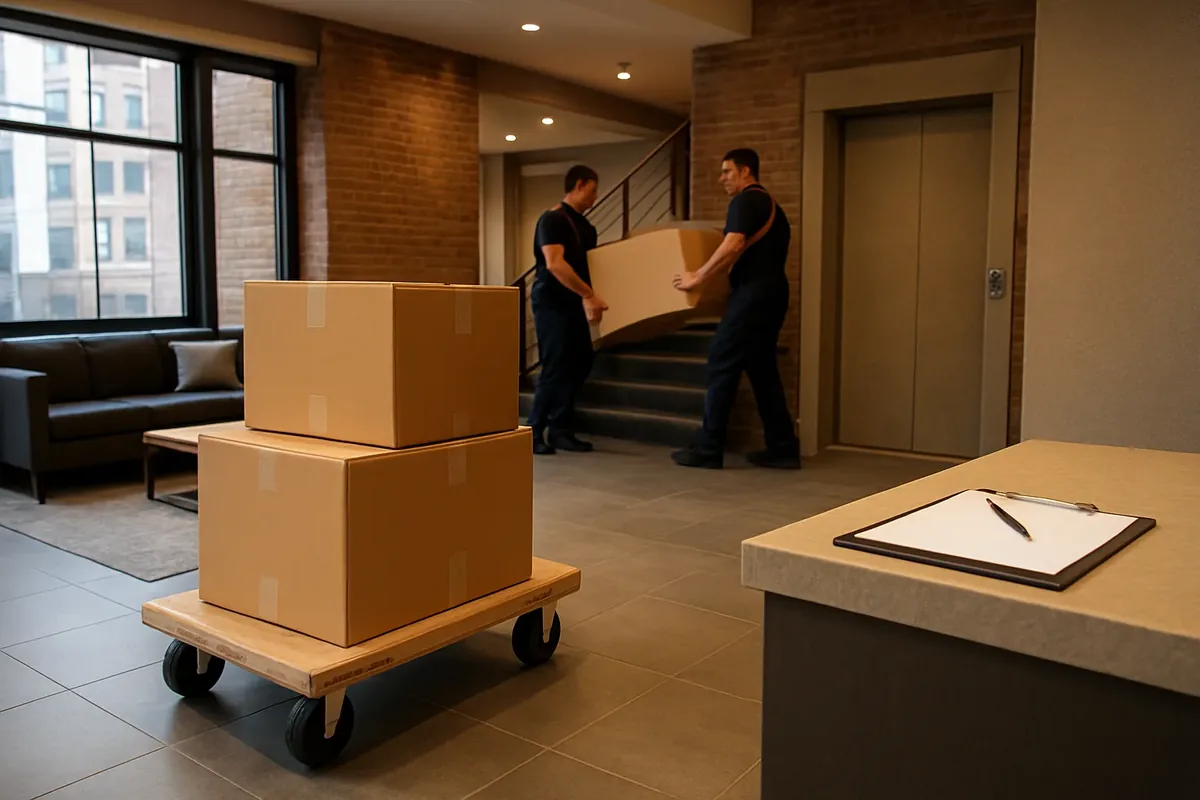
moving quotes insurance and hidden fees
Moving Quotes, Building COI & Hidden Fees: Complete US Benchmarks & Guides
Lowball apartment moving quotes routinely balloon by 35% to 90% on moving day once walk-up stair charges, long-carry penalties, travel-time minimums, building Certificate of Insurance (COI) delays, and valuation upgrades hit the Bill of Lading. This pillar guide decodes binding vs. non-binding contracts, FMCSA $0.60/lb vs. Full Value coverage, landlord COI rules, and exact hidden fee benchmarks.

moving quotes insurance and hidden fees
Costly Mistakes & Loopholes in Stair, Elevator & Long-Carry Tariff Clauses
Uncover the six most expensive tariff loopholes and renter oversights involving walk-up stairs, shrunk long-carry limits, and elevator detention fees. Learn how to stop $150 to $500 in surprise accessorial billing before move day.
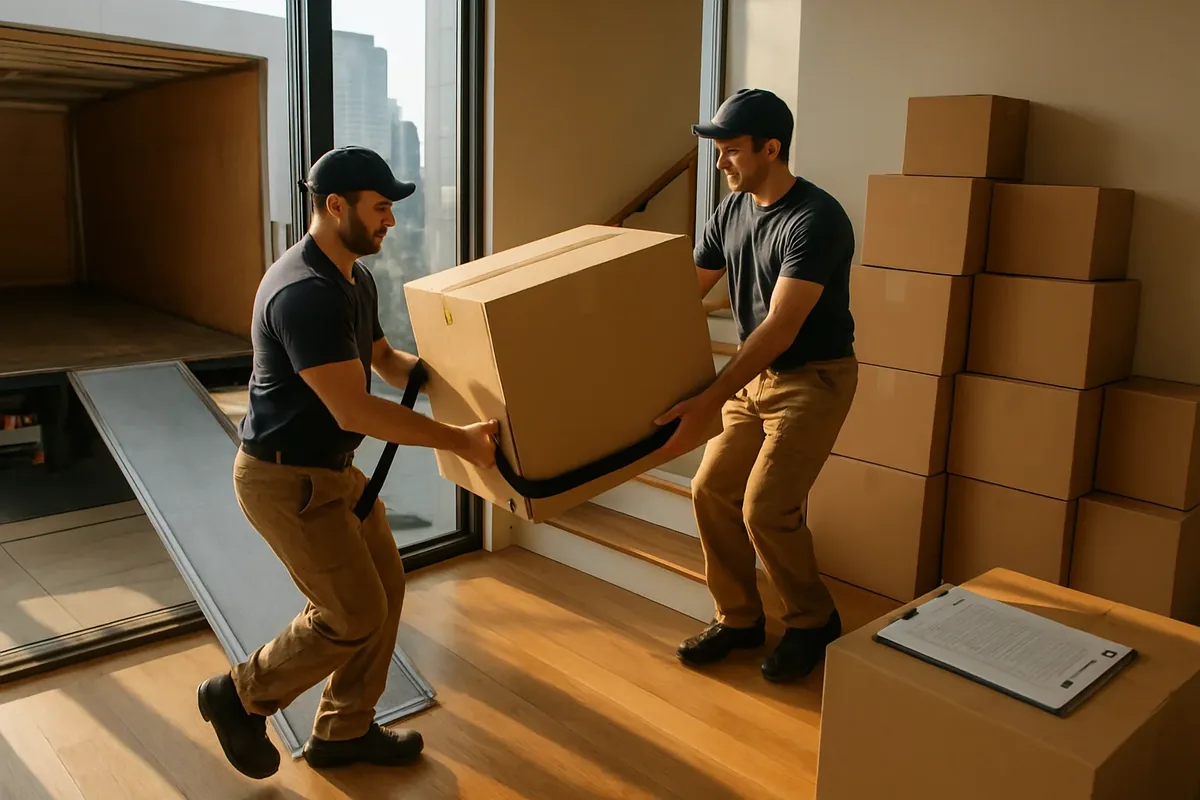
moving quotes insurance and hidden fees
Questions to Ask Your Mover Before Signing: Stair, Elevator & Long-Carry Clauses
Use these 10 targeted pre-signing questions and written contract clauses to audit stair, elevator, and long-carry tariffs before paying a deposit. Lock clear dollar caps and pack standardized boxes so crews move faster through tight buildings.
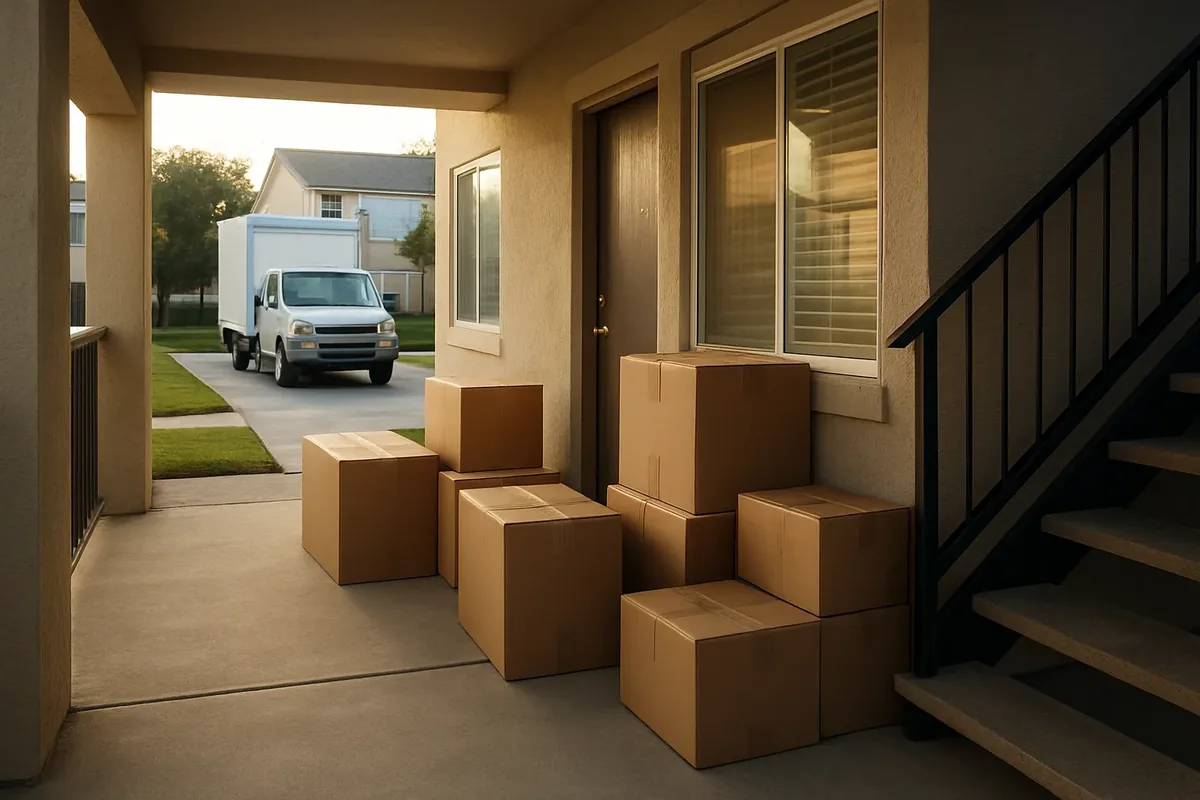
moving quotes insurance and hidden fees
The $450–$950 Tractor-Trailer Shuttle Fee at Narrow Apartment Streets
Learn why interstate van lines assess a $450 to $950 18 wheeler shuttle van transfer fee at urban apartment complexes and how federal FMCSA tariff rules cap what carriers can demand on delivery day. Compare full-service interstate costs with shuttle add-ons against renting a 12-to-26-foot DIY truck that fits directly at your curb.