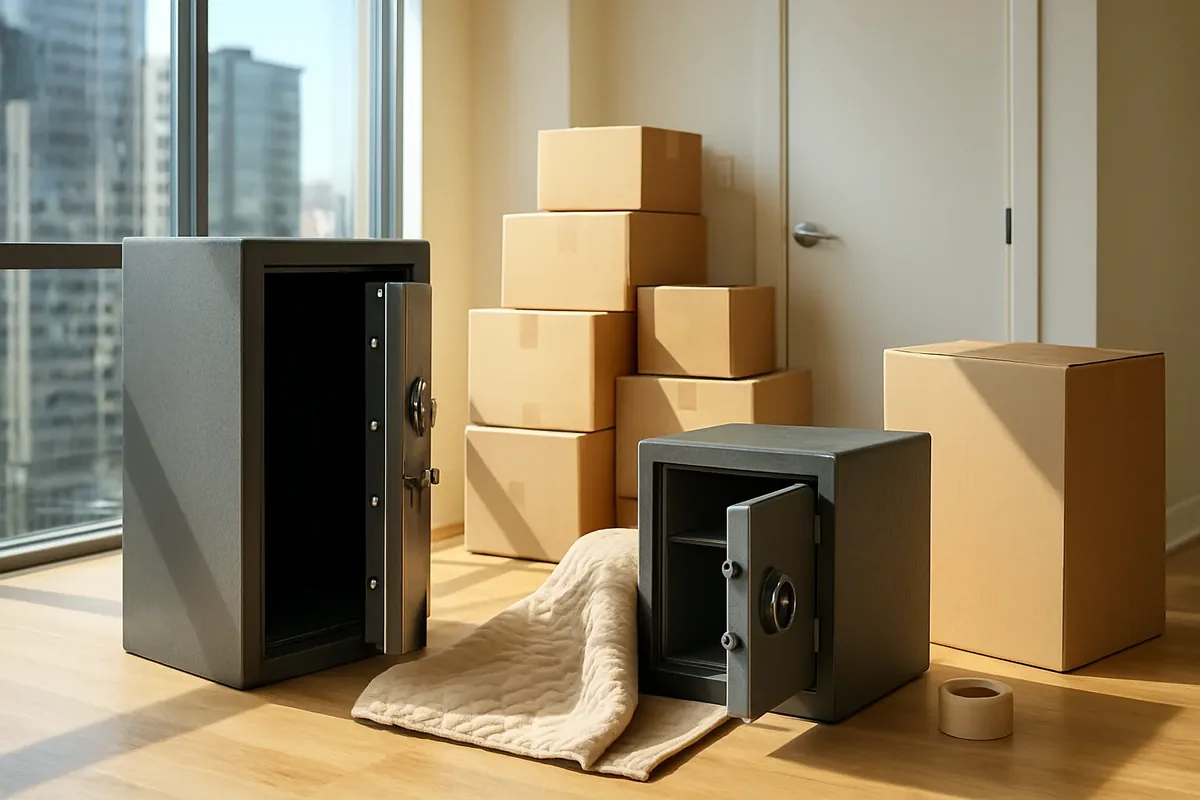
In this guide
Why Doorway Math and Door Removal Make or Break an Apartment Safe Move
Apartment interiors are far tighter than suburban garages. While a main apartment entry door typically measures 34 to 36 inches wide (providing 31.5 to 33.5 inches of usable clearance inside the jamb stop and hinged door slab), interior bedroom and walk-in closet doors frequently shrink to 24, 28, or 30 inches nominal—leaving just 22 to 27.5 inches of clear passage once trim and hinges are subtracted.
A 420-pound fireproof safe rated at 26 inches wide by 22 inches deep often measures 25.5 inches deep once you include the projecting electronic keypad bezel and three-spoke locking handle. Add 1.5 inches for quilted moving blankets on both sides, and a safe that looked narrow on paper suddenly jams solid inside a 28-inch closet doorway—stalling a $175–$235/hr 3-person moving crew on your dime.
Doorway, Hallway Turn, and Elevator Clearance Math Table
Measure every choke point from the closet wall to the apartment loading dock using a steel tape measure before moving week. Remember that removing an apartment interior door off its hinge pins gains roughly 1.75 inches of width in 90 seconds, and unscrewing the safe's exterior spoke handles recovers another 2.5 to 3.5 inches.
| Safe Class & Dry Weight | Typical Exterior W x D x H | Depth w/ Handle & Pads | Min. Clear Doorway (w/o Door Removal) | Min. 90° Hallway Turn Width | Weight Saved by Pulling Safe Door |
|---|---|---|---|---|---|
| Compact Fireproof Home Safe (200–260 lb) | 20" W x 18" D x 30" H | 22.5" D (padded) | 24.5" clear (28" nominal door) | 34" corridor | 60–85 lb (if external hinges) |
| Mid-Size 12–18 Gun Safe (275–375 lb) | 24" W x 20" D x 55" H | 24.5" D (padded) | 26.5" clear (30" nominal door) | 38" corridor | 90–125 lb (if external hinges) |
| Wide 24-Gun Fireproof Safe (380–500 lb) | 29" W x 22" D x 59" H | 26.5" D (padded) | 28.5" clear (32" nominal door) | 42" corridor | 130–170 lb (if external hinges) |
| Elevator Cab Standard Check (2,000–2,500 lb) | Cab door: 36"–42" W | Depth: 54"–68" inside cab | Safe + Dolly + 2 Movers <= 1,250 lb | Verify threshold gap <= 0.75" | Required if cab depth < 54" |
Amazon US Apartment Moving Supplies
Recommended Moving Boxes, Blankets & Bags for This Move
Apartment moving supplies matched to this guide (Amazon.com affiliate ID: apartmentmovingcost-20).
Self-Stick Heavy-Duty Felt Furniture Floor Protector Pads (133-Piece Assortment)
High-density self-adhesive felt pads applied at move-in to prevent scratching your new apartment's hardwood floors
Duck Brand BladeSafe Foam-Grip 2-Inch Packing Tape Gun Dispenser
Recessed blade safety tape gun with cushioned ergonomic handle and 50-yard starter roll included
Slice 10514 Ceramic-Blade Auto-Retractable Mini Box Cutter (2-Pack)
Finger-friendly zirconium oxide ceramic safety blade that slices box tape without cutting items inside
As an Amazon Associate I earn from qualifying purchases. Always verify live stock and pack sizing directly on Amazon.com.
Step-by-Step Safe Disassembly, Unbolting & Hardware Bagging
Complete every step below 24 to 48 hours before your moving crew or DIY helpers arrive. Never attempt to unbolt floor anchors while the movers' hourly clock ($130–$235/hr) is already ticking.
- Empty contents and remove all interior shelves and door organizers. Take out all documents, lockboxes, dehumidifier rods, and carpeted drywall-core shelves. Even empty carpeted fireboard shelves weigh 6 to 10 pounds each and can slide loose during tipping, smashing the interior lock linkage. Bundle shelves together with a foam-grip 2-inch packing tape gun (recessed safety blade) over cardboard wrapping—never tape directly onto carpeted wood.
- Unbolt floor or wall anchor hardware cleanly. Lift the interior floor carpet flap to expose the four anchor bolts. On wood-frame apartment subfloors, back out lag bolts counterclockwise using a 1/2-inch or 9/16-inch socket wrench. On ground-floor concrete slabs with expansion wedge anchors, remove the hex nut and washer—if the threaded stud protrudes above the concrete, tap it down flush or use a nut-and-washer puller per building maintenance rules so movers do not snag the safe base.
- Remove exterior-hinge safe doors (only when manufacturer-approved). If your safe has external barrel hinges and the manual allows door removal, swing the door fully open past 90 degrees (usually 110–135 degrees) so the security locking bolts clear the frame. With a partner bracing the handle side, lift the door straight upward 1.5 inches off the hinge pins. Removing a 140-pound door turns a brutal 420-pound unit into a 280-pound body that two movers can navigate through tight hallways with far less risk.
- Unthread spoke handles and remove keypad batteries. Most three-spoke or five-spoke chrome handles unscrew counterclockwise or release via a small Allen set screw at the hub. Remove the spokes to gain 3 inches of doorway clearance and prevent bent shafts. Pop the 9-volt battery out of digital keypads (or disconnect the exterior keypad plug only if specified in your manual) and store it separately so accidental presses do not lock out the solenoid.
- Bag, label, and secure every piece of hardware. Place anchor bolts, washers, shelf clips, handle spokes, Allen keys, and backup override keys into two heavy freezer bags. Tape the parts bag inside a clearly labeled essential-box—never leave backup keys inside the safe before closing the door! Use a ceramic-blade auto-retractable mini box cutter at move-in to slice packaging cleanly without scratching chrome handles or cutting wiring harnesses.
- Prep destination floors with high-density felt pads before move-in. If your new apartment has hardwood or luxury vinyl plank (LVP) flooring and your landlord prohibits floor bolting, apply heavy-duty industrial self-stick felt furniture protector pads underneath a 3/4-inch plywood load-distribution board (or directly under flat non-spiked safe feet on sub-250-lb safes) so the steel base never rust-stains or gouges the finish.
Protecting Apartment Door Jambs, Subfloors, and Deposit Dollars
Unbolting a safe from a rental closet leaves four 3/8-inch holes in carpet, laminate, or hardwood. On carpeted closets, combing adjacent pile fibers with a blunt awl and dabbing seam sealer underneath the backing usually conceals lag-bolt punctures; on wood or concrete, fill holes cleanly with color-matched wood putty or hydraulic cement before your move-out inspection. Next, check the closet door stop strip—if your safe width is within 1/2 inch of the doorway clear opening, pull the interior closet door off its hinge pins rather than trying to squeeze past the open door slab.
- Pop Apartment Door Hinge Pins Safely: Close the door, tap the bottom of each hinge pin upward using a flathead screwdriver and mallet, lift the door slab off, and stack it flat against a bedroom wall with a blanket underneath.
- Check Freight Elevator Threshold Gaps: Old mid-rise elevators sometimes have a 1-inch steel sill gap or slight floor misalignment. Lay a beveled 1/4-inch tempered hardboard (Masonite) bridge over the sill so small dolly wheels do not lock up under 400 pounds.
- Prepare High-Density Felt Floor Protection: Keep a 133-piece assortment of self-stick heavy-duty industrial felt pads on hand at your new apartment to pad both the safe's leveling shims and every surrounding dresser or bookcase moved the same day.
- Keep Safe Unpacking Tools Separate: Pack your ergonomic 2-inch foam-grip tape gun and ceramic-blade auto-retractable mini box cutters in your personal carry-on tote so you can reassemble shelf pins and unbox safely the moment the crew sets the unit down.
How Pre-Move Disassembly Cuts Your Moving Bill
On a standard local 2-bedroom apartment move billed at $175 to $235/hr for a 3-person crew (plus a 1-hour travel fee), every 30 minutes saved on safe disassembly and doorway troubleshooting directly trims $88 to $118 from your invoice. Even more importantly, stripping a 135-pound removable door off a 430-pound gun safe drops the heaviest single component below the 300-pound bulky-item threshold at many local carriers—potentially saving an additional $75 to $150 in specialty handling surcharges.
Estimate how saving crew labor minutes and avoiding bulky-item stair surcharges impacts your total relocation budget in our Apartment Moving Cost Calculator or Movers vs. DIY Rental Truck Comparator.
Open Calculator →Frequently Asked Questions
Can every fireproof home safe have its door lifted off the hinges for moving?+
No. Only safes with external barrel hinges designed for lift-off removal allow safe door separation. Safes with internal concealed hinges usually require specialized alignment jigs to reinstall and should remain closed and locked during transport unless a certified safe technician performs the teardown.
Should a fireproof safe stay locked or unlocked when movers carry it?+
If the door remains attached to the safe body, keep the door closed and firmly locked so the heavy steel slab cannot swing open mid-carry and throw carriers off balance on stairs. Always remove interior shelves first and carry your mechanical override keys with you personally.
Can a 450-pound gun safe exceed my apartment building's floor or elevator load limit?+
Standard US residential apartment floors are engineered for 40 lbs per square foot live load across wide spans, and placing a 450-pound safe against a load-bearing exterior or closet wall over a 3/4-inch plywood distributor plate is generally well within structural tolerances. Passenger elevators typically hold 2,000 to 2,500 pounds, so a 450-pound safe plus two movers and a dolly is safe—just confirm freight elevator rules and COI paperwork with management first.
Will movers unbolt my safe from the apartment floor if I provide the wrench?+
Rarely. Most licensed US movers prohibit crews from drilling, unbolting, or altering landlord property due to general liability exclusions. Unbolting the anchor bolts yourself before moving day guarantees zero crew delays and prevents refusal at the door.
How do I re-level a fireproof safe on uneven apartment hardwood floors without scratching them?+
Place composite plastic shims underneath the low corners of a 3/4-inch birch plywood base pad backed with heavy-duty industrial self-stick felt pads. Leveling the safe properly ensures the heavy steel door neither swings wildly open nor binds against the locking bolts over time.
Interactive US Moving Tools
Compare Full-Service Movers vs. DIY Rental Truck in 30 seconds
Related Guides
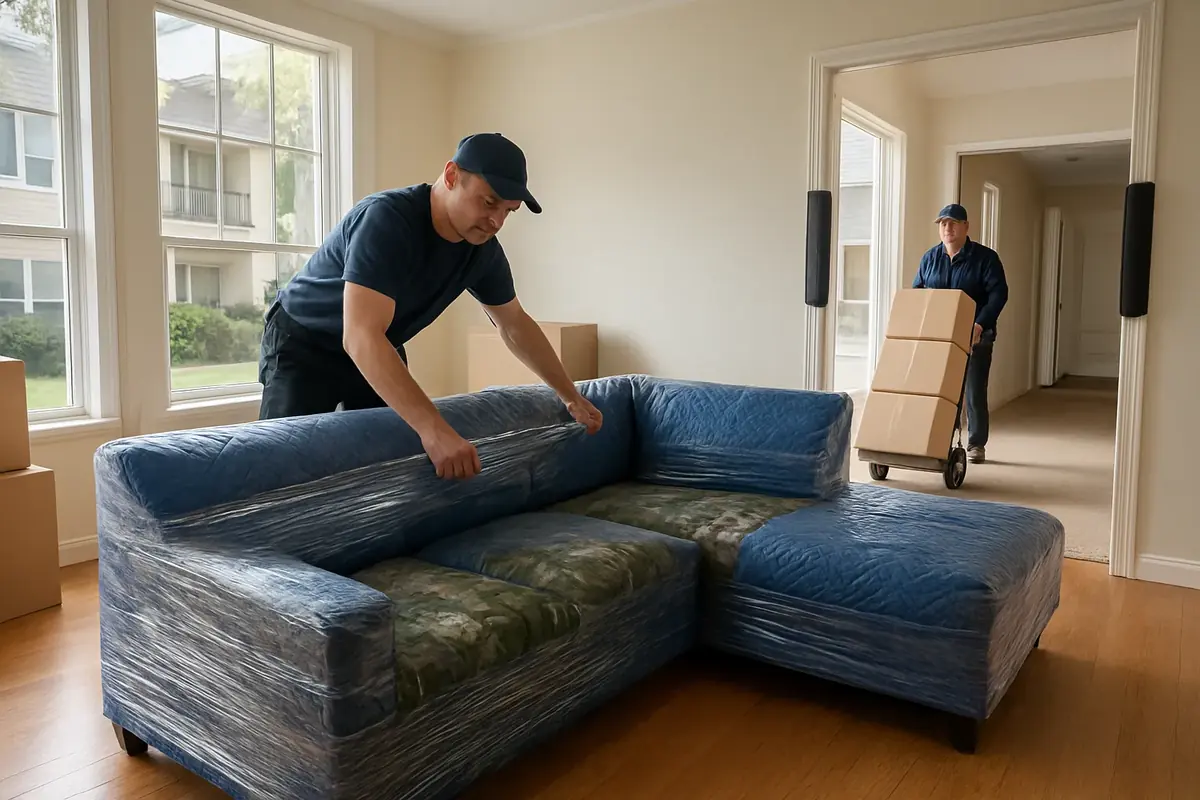
furniture and appliance moving costs
Furniture & Specialty Item Moving Costs: Complete US Benchmarks & Guides
Moving oversized apartment furniture and heavy appliances—from L-shaped sectionals and King adjustable beds to Peloton bikes, glass dining tables, OLED TVs, and stacked washer-dryers—adds $60 to $340+ in specialized disassembly, stair-carry labor, and protective crating fees. This pillar guide benchmarks US mover hourly rates, flat bulky-item add-ons, doorway clearance tactics, and DIY truck padding specs.
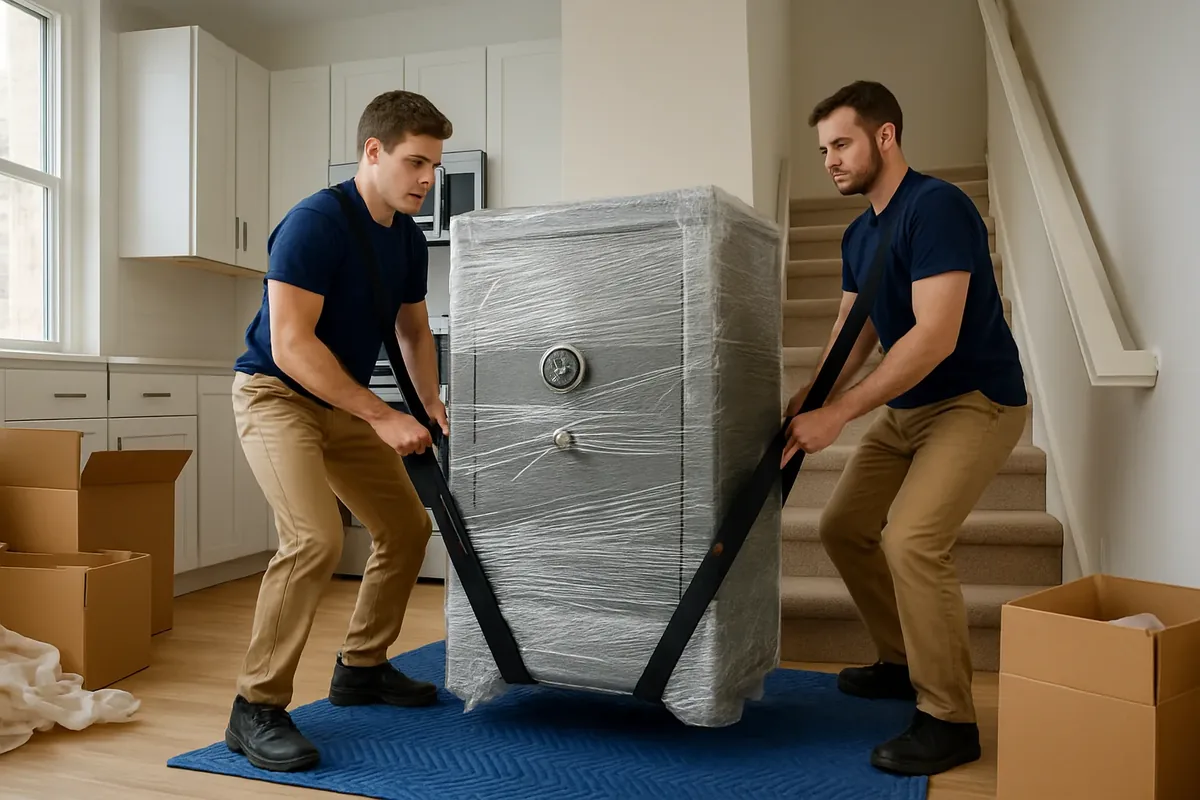
furniture and appliance moving costs
Exact Amazon Blanket, Bag & Bubble Kit for a 200–500 Lb Fireproof Apartment Safe
Wrapping a 200-to-500-pound fireproof home safe is about protecting two expensive surfaces at once: the safe's gloss powder-coat finish and keypad, plus your apartment's hardwood floors and drywall corners. Here is the exact pad, stretch film, and floor-runner recipe used by US apartment movers.
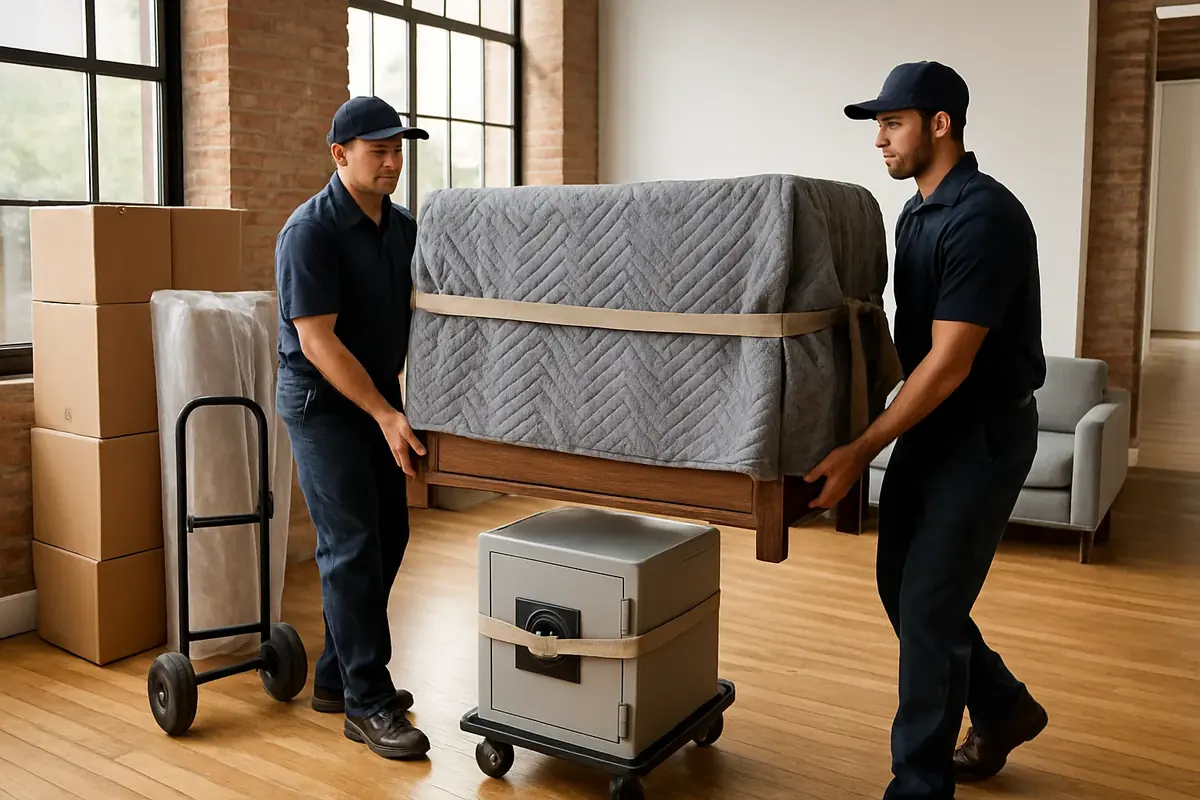
furniture and appliance moving costs
Best Dollies, Forearm Straps & Truck Tie-Downs: 200–500 Lb Fireproof Apartment Safe
Moving a 200-to-500-pound fireproof home safe yourself demands strict attention to dolly working load ratings, stair-climbing limits, and rental truck tie-down geometry. Learn which hardware handles each weight tier safely—and where DIY renters must stop and rent a liftgate or stair climber.
furniture and appliance moving costs
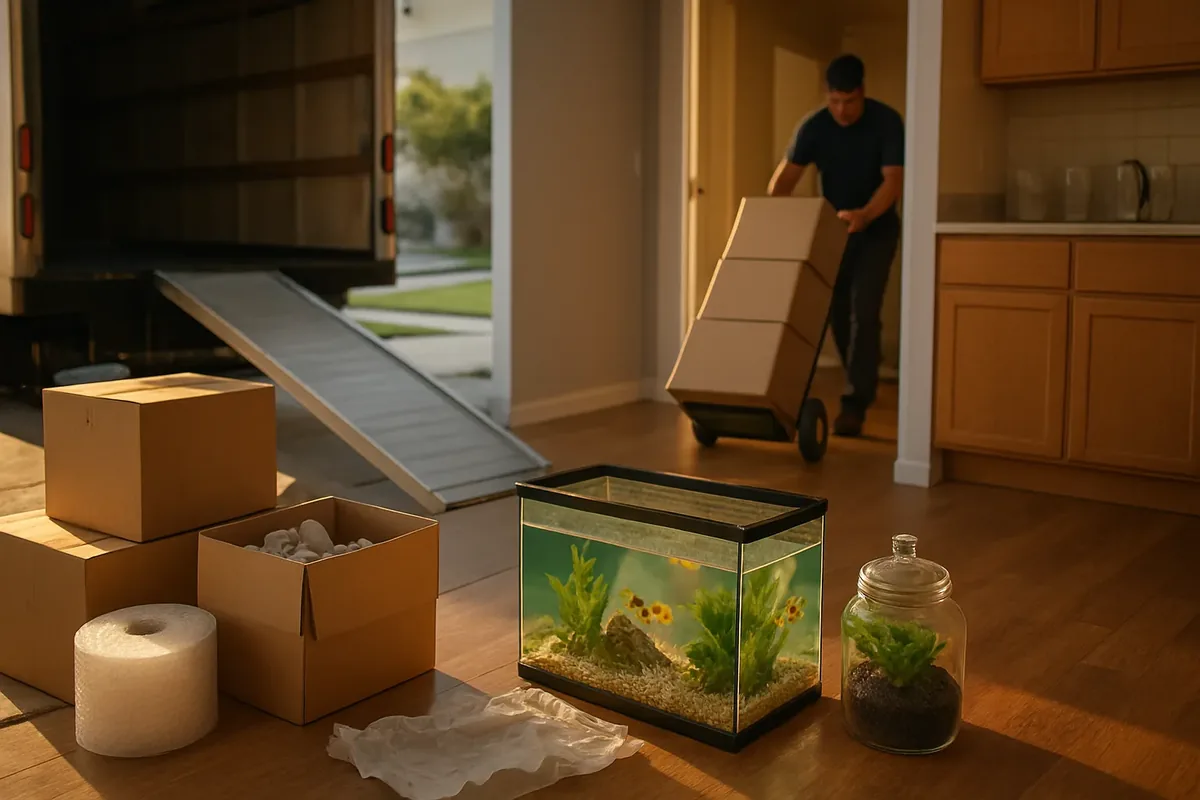
Apartment Mover Pricing for a 40–100 Gallon Glass Aquarium & Stand
Moving a drained 40–100 gallon glass aquarium and cabinet stand in a US apartment adds $175–$480 to a full-service quote once bulky-item fees, custom crating, and walk-up stairs are billed. This guide breaks down exact labor minutes, single-item courier minimums, and DIY rental truck savings using national apartment pricing benchmarks.